Quick Answer
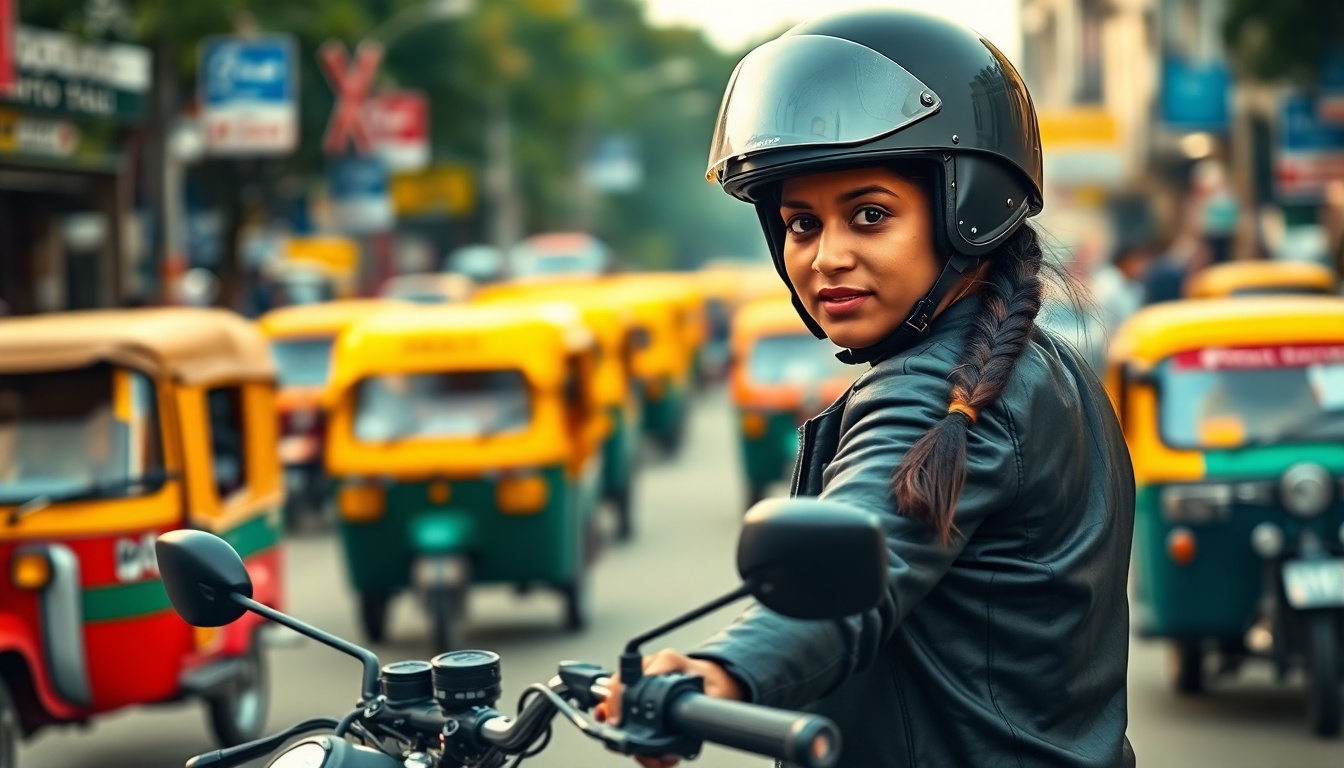
Advanced rider positioning in Bangalore means owning your lane space 2-3 meters ahead of the vehicle in front, while keeping your front wheel angled 15 degrees away from stopped traffic. The real trick is scanning 12 seconds ahead, not 4. Most accidents here happen because riders position themselves too close to the left edge, inviting buses and autos to squeeze you out.
I have spent over a decade training riders on Bangalore roads. From the Silk Board junction mess to the NICE Road sweepers, I have seen what works and what gets you killed.
Here is what I notice every single weekend at Throttle Angels. A rider comes in thinking they know how to position themselves. They have been riding for two years, maybe three. They filter through traffic like a pro. But the moment a bus cuts them off or a pothole appears mid-corner, they freeze.
That freeze is what we fix with advanced rider positioning techniques Bangalore. It is not about where you place the bike on a perfect track. It is about where you put yourself in a six-lane mess with no lane discipline.
Why Most Riders Get Advanced Rider Positioning Techniques Bangalore Wrong
The biggest mistake I see is the “hug the left” mentality. Riders think staying close to the kerb keeps them safe from faster traffic. It does the opposite. You invite every auto, every bus, every tempo to squeeze past you. You give them permission to treat your lane as their lane.
Then there is the “dead center” problem. New riders plant themselves right in the middle of the lane. Looks safe on paper. But on Bangalore roads, the center is where oil drips from cars accumulate. It is where the worst patches are. And it gives you zero escape route if something happens ahead.
Here is another one I see daily. Riders fixate on the vehicle directly in front of them. They watch its brake lights like a hawk. Meanwhile, a car three vehicles ahead slams its brakes, and by the time our rider reacts, it is too late. You are not looking far enough ahead.
The real risk is not that you will hit something in front of you. The real risk is that you will be rear-ended because you stopped too close to the vehicle ahead, or that you will be side-swiped because you left a gap big enough for an auto to dive into. These are the things that happen on Old Madras Road every single day.
Last month, I had a student named Rohan. He had been riding a Dominar for three years. Confident guy. On our first session near Hebbal flyover, I asked him to take the lead. He positioned himself dead center of the left lane, about one meter behind a cab. Within two minutes, a BMTC bus bullied him so close to the kerb that his right pannier scraped a divider.
We pulled over. I showed him what he did wrong. He was not owning his space. He was apologizing for being on the road. After we worked on his positioning, he rode the same stretch with zero stress. The bus still came close, but Rohan had already moved to a position where the bus could not touch him. He learned that good positioning is not aggressive. It is assertive.
What Actually Works on Indian Roads
Let me break down how you should actually position yourself. First, you need to choose your lane position based on what is ahead, not where you are now. If you see a bus stop 200 meters ahead, you should already be moving to the right side of your lane. Why? Because autos will suddenly swerve left to pick up passengers. You want to be out of their path.
Second, you need to leave a gap in front of you that is at least two seconds of following distance. In Bangalore traffic, that feels like an invitation for someone to cut in. Let them. A vehicle cutting in front of you is annoying. Rear-ending someone because you were too close is a hospital visit. Pick your battles.
Third, and this is the one most riders fight me on, you need to angle your front wheel away from stopped traffic. When you are stopped at a signal, do not point your wheel straight ahead. Turn it slightly to the right. If someone rear-ends you, your bike will go sideways instead of launching you into the intersection. I have seen this save riders from getting crushed between two vehicles.
Here is another technique that works. When you are filtering through stopped traffic, do not ride the white line. Pick a position that is slightly to the left or right of the lane divider. That gives you space to react if a door opens or a pedestrian steps out. Filtering dead center of two lanes means you have no escape route.
And please, do not ride in the blind spot of trucks and buses. If you cannot see the driver’s face in their side mirror, they cannot see you. Either speed up and get past them, or drop back. There is no middle ground. I have seen riders sit in a truck’s blind spot for kilometers, completely unaware that the driver has no idea they are there.
The last thing I will say about what works is this. Use your position to communicate. If you move to the right side of your lane before a turn, cars behind you know you are turning. If you move to the left, they know you are letting them pass. Your position on the road is a language. Use it clearly.
“On Indian roads, your position is your shield. Most riders think defensive riding means being passive. It does not. It means actively choosing a spot where you are visible, where you have an exit, and where you control the space around you. If you are not in control of your lane, someone else will take it.”
— Throttle Angels Instructor Team
Beginner vs Trained Rider Comparison
| Aspect | What Beginners Do | What Trained Riders Do |
|---|---|---|
| Following Distance | Hug the bumper of the car ahead, 1-2 meters gap | Maintains 3-4 meters gap, angled wheel at stops |
| Lane Choice | Sticks to left lane, close to kerb | Chooses lane based on traffic flow, owns the center |
| Scanning Ahead | Looks at the vehicle directly ahead, 2-3 seconds | Scans 12 seconds ahead, checks mirrors every 5 seconds |
| Filtering | Rides the white line, no escape plan | Filters offset, watches for doors and pedestrians |
| Blind Spots | Sits next to trucks and buses without realizing | Passes large vehicles quickly or drops back completely |
Adapting to Indian Road Conditions
Book Your Trial Session Today!
Ready to master the roads of Bangalore or Pune? Join India’s premier motorcycle driving school.
Training Available in Bangalore & Pune
Book Your Trial Session Today!
Ready to master the roads of Bangalore or Pune? Join India’s premier motorcycle driving school.
Training Available in Bangalore & Pune
Bangalore roads change every monsoon. What was a smooth stretch in January becomes a crater field in July. Your positioning has to change with it. When you see standing water ahead, do not ride through the center. Move to the side where the water is shallower. And never, ever brake while going through a puddle. That is how you lose the front end.
On highways like NICE Road or the elevated expressway, your positioning should be different from city streets. You want to be in the left wheel track of the lane, not the center. Why? Because the center has the most oil and debris. Also, if a tire blows at 80 km/h, being in the wheel track gives you a better chance of staying upright.
In city traffic, the biggest threat is unpredictable movement. A pedestrian stepping off a bus. A dog running out. A kid chasing a ball. Your position should give you time to react. That means staying far enough from the parked vehicles that you can swerve if a door opens. It means not riding in a bus driver’s blind spot when approaching a bus stop.
One more thing about Indian conditions. Gravel and sand are everywhere, especially near construction sites and on the edges of highways. If you see loose gravel ahead, do not brake or turn. Stand the bike up, roll off the throttle, and go straight over it. Then reposition once you are on clean tarmac. Your position should always aim for the cleanest line, not the shortest one.
Frequently Asked Questions
What is the best lane position for a motorcycle in Bangalore traffic?
The best position is the left or right third of your lane, not the center. Pick whichever side gives you the best view of traffic ahead and an escape route. Avoid the center because of oil patches and debris. Change your position based on what is coming up, not where you are right now.
How far ahead should I look when riding in city traffic?
You should be scanning at least 12 seconds ahead. In city traffic, that is roughly the next two to three intersections. If you are only looking at the car in front of you, you are already too late to react. Train your eyes to look through the traffic, not at it.
Should I filter through traffic in Bangalore?
Yes, but do it smartly. Do not ride the white line. Position yourself slightly left or right of it so you have room to react. Never filter faster than 20 km/h, and always watch for doors opening, pedestrians stepping out, and vehicles suddenly changing lanes without indicators.
What should I do if a bus or truck is tailgating me?
Do not speed up. Do not brake check. Simply move to the left side of your lane and let them pass. If there is no space to move, slow down gradually and let them overtake you. Your ego is not worth your life. Let the bus go. You will catch up at the next signal anyway.
How much does Throttle Angels training cost?
Our courses start at competitive rates with flexible packages. Call Rajkumar at 9535350575 or Arun at 8169080740 for current pricing and batch schedules in Bangalore and Pune.
Here is what I want you to take away from this. Your position on the road is not about following rules from a textbook. It is about reading the chaos around you and putting yourself where you are visible, where you have options, and where you are not inviting trouble.
Next time you ride through Silk Board or onto the NICE Road, try it. Pick your spot with intention. Move early. Look far ahead. And give yourself the space to survive the mistakes that other people will make. That is what advanced rider positioning really means. It is not about being faster. It is about being smarter.
Book Your Trial Session Today!
Ready to master the roads of Bangalore or Pune? Join India’s premier motorcycle driving school.
Training Available in Bangalore & Pune