Quick Answer
A proper beginner bike training weekend in Bangalore is a focused, two-day course designed to build muscle memory and road sense. At Throttle Angels, you’ll spend over 12 hours of hands-on training in a controlled, safe environment before touching public roads. It’s the fastest way to move from zero confidence to handling your first commute safely.
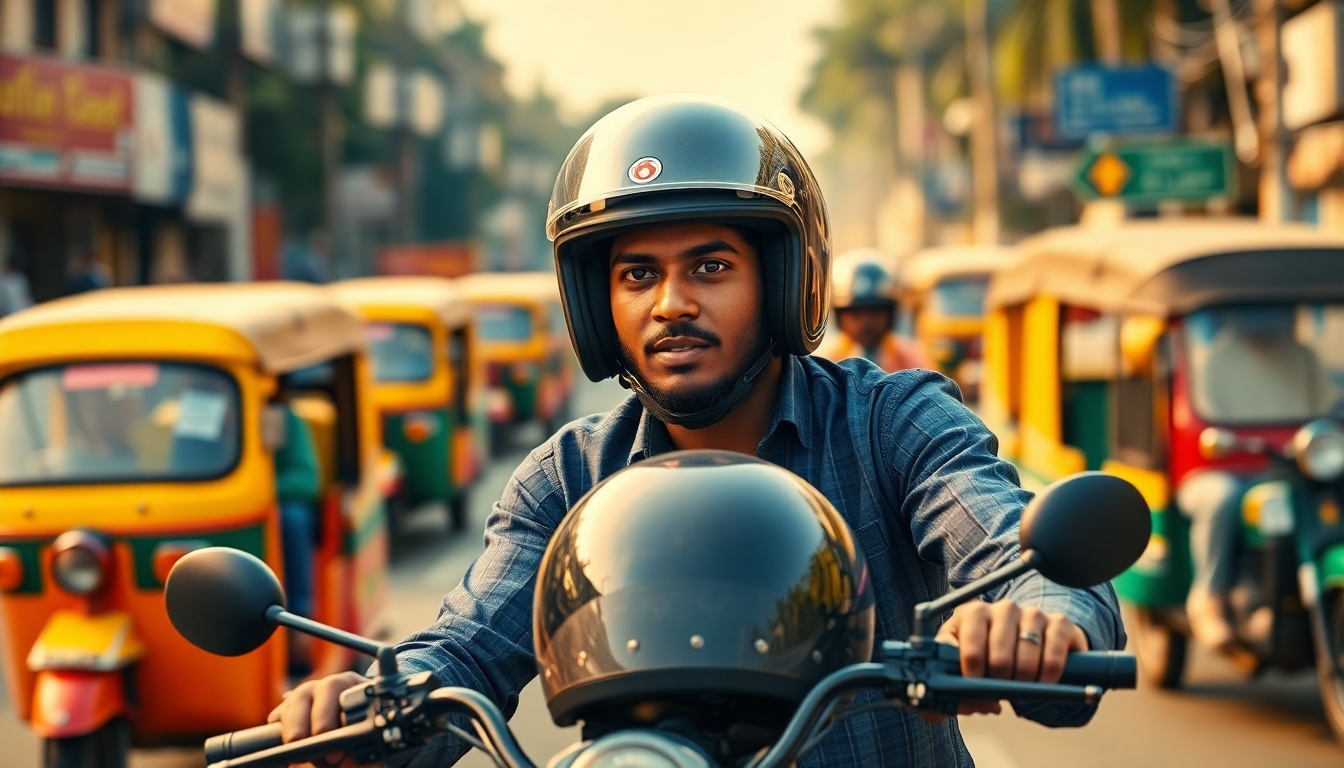
Look, I see it every single weekend. Someone walks into our training ground in Bangalore, their eyes wide, clutching their new helmet like a life preserver. They’ve just bought a motorcycle, maybe a Royal Enfield or a KTM, and the reality has hit them. The showroom shine is gone, replaced by the sheer terror of Bangalore traffic.
Here is the thing about that fear. It’s completely normal. In fact, it’s smart. Our roads are a beautiful, chaotic dance, and jumping in without knowing the steps is dangerous. That’s the exact gap a proper beginner bike training weekend in Bangalore is meant to fill. It’s not about getting a license. It’s about building the instincts to keep you safe.
I’ve trained thousands. The ones who skip this step? They develop bad habits that take years to unlearn. The ones who invest a weekend? They build a foundation that lasts a lifetime of riding.
Why Most Riders Get beginner bike training weekend Bangalore Wrong
Here is what most new riders get wrong about training. They think it’s just about learning to balance and change gears. They believe if they can ride in an empty apartment parking lot, they’re ready for Silk Board Junction.
The real risk is not stalling the bike. It’s not knowing how to stop suddenly when an auto-rickshaw cuts across three lanes without warning. I have seen this mistake cause accidents dozens of times. A rider panics, grabs the front brake too hard, and locks the wheel. Down they go.
Another common error? Riders focus entirely on what’s in front of them. They fixate on the bumper of the car ahead. On our roads, you need to see everything. The pedestrian about to step off the median, the scooterist on your left, the bus in your mirror. Your eyes must be constantly moving.
Finally, people underestimate the physicality of riding. It’s not like driving a car. You use your whole body to steer, to balance, to brace for a pothole. A proper weekend course builds that physical connection between you and the machine, so it becomes second nature.
I remember a student, let’s call him Rohan. He was a software engineer who had just gotten a Duke 200. He was bright, eager, but his hands were like stone on the handlebars. Every input was a jerky, panicked movement. We were working on slow-speed control, weaving through cones.
He kept looking down at the cone right in front of his wheel. The bike would wobble, he’d stiffen up more. I walked over, put a hand on his shoulder, and said, “Look where you want to go, not at what you’re afraid of hitting.” He lifted his gaze to the end of the course. Instantly, the wobble stopped. The bike flowed. That single shift—looking ahead, planning your path—is what separates a rider from someone who just operates a motorcycle.
What Actually Works on Indian Roads
So what does work? It starts with the brakes. Most bikes have about 70% of their stopping power in the front brake. But grabbing it wrong will put you on the ground. We drill this until it’s muscle memory: progressive squeeze, not a grab. Front and rear together, with more emphasis on the front as you slow.
Then there’s the clutch. Think of it as your best friend in chaos. It’s not just for changing gears. A little clutch slip is your secret weapon for ultra-slow control in bumper-to-bumper traffic. It keeps the bike smooth and predictable when you’re crawling.
Your positioning in the lane is critical. Don’t ride in the center where oil and grease accumulate. Don’t hug the left where pedestrians and parked cars appear. Position yourself where you are most visible to others and have an escape route. This changes every few seconds.
Here is a non-negotiable. You must know how to countersteer. Push left to go left, push right to go right. It sounds backwards until you feel it. This is how you make quick, decisive moves to avoid a pothole or a sudden merge. We make you practice this until your body believes it.
Finally, attitude. Riding in India is not a battle. If you treat every other vehicle as an enemy, you’ll be exhausted and angry in 20 minutes. See yourself as part of the flow. Predict, accommodate, and always, always have a way out. That calm awareness is what we build over a weekend.
Training isn’t about teaching you to ride a perfect line on a track. It’s about programming your reflexes so that when a cow walks into the road near Electronic City or a taxi door swings open in Koramangala, your body reacts correctly before your brain even processes the danger.
— Throttle Angels Instructor Team
Beginner vs Trained Rider Comparison
| Aspect | What Beginners Do | What Trained Riders Do |
|---|---|---|
| Emergency Braking | Panic, grab front brake hard, lock the wheel and skid. | Apply progressive pressure to both brakes, shifting weight forward smoothly to stop. |
| Lane Positioning | Ride in the center of the lane or too close to the curb. | Actively position for best visibility and escape routes, avoiding lane-center oil slicks. |
| Hazard Scanning | Stare fixedly at the vehicle directly ahead. | Constantly scan 12 seconds ahead, check mirrors every 5-7 seconds, note side roads. |
| Slow Speed Control | Feet down, jerky throttle, frequent stalls in traffic. | Use clutch friction zone and rear brake for rock-solid, feet-up balance and control. |
| Mental Approach | See traffic as a hostile obstacle course to conquer. | Read the flow, predict movements, and integrate smoothly while maintaining space. |
Adapting to Indian Road Conditions
Book Your Trial Session Today!
Ready to master the roads of Bangalore or Pune? Join India’s premier motorcycle driving school.
Training Available in Bangalore & Pune
Book Your Trial Session Today!
Ready to master the roads of Bangalore or Pune? Join India’s premier motorcycle driving school.
Training Available in Bangalore & Pune
Bangalore roads teach you lessons no European manual can. The monsoon is a prime example. Those first rains lift all the oil and grime to the surface, making the roads slicker than ice. A trained rider knows to avoid painted lines, manhole covers, and tar patches for the first 30 minutes of a downpour.
Then there’s the highway. You might think open road means less risk. It’s different. The real danger is fatigue and high-speed complacency. We teach a specific rhythm: scan, assess, move. And always, always watch for oncoming traffic in your lane on two-lane roads.
At night, your priorities change. Your speed must drop because your vision is limited to your headlight’s reach. Watch for animals, unlit vehicles, and drunk drivers leaving pubs. Your margin for error shrinks, so your reactions must be sharper.
The goal is never to eliminate risk. That’s impossible. The goal is to manage it so effectively that you can enjoy the ride—the freedom, the wind, the connection to the road—without that constant knot of fear in your stomach.
Frequently Asked Questions
I have my license. Do I still need beginner training?
Absolutely. A license proves you know the rules of the road. Training teaches you how to survive on it. We focus on the physical skills and hazard management that the RTO test simply doesn’t cover.
Do I need to bring my own motorcycle?
No. We provide training motorcycles for the weekend. It’s better to learn on our bikes—they’re set up for beginners and can take a few gentle drops. Once you’re confident, we encourage you to practice on your own bike under guidance.
What if I’ve never ridden a bicycle or a scooter?
That’s actually a great place to start. You have no bad habits to unlearn. We start from absolute zero—balancing, using the controls, building confidence step-by-step. Many of our best students started with zero two-wheel experience.
How much does Throttle Angels training cost?
Our courses start at competitive rates with flexible packages. Call Rajkumar at 9535350575 or Arun at 8169080740 for current pricing and batch schedules in Bangalore and Pune.
What should I wear for the training weekend?
Full-length jeans, a sturdy jacket, full-finger gloves, and ankle-covering boots. We provide helmets. If you have your own gear, bring it. Dressing right is the first lesson in taking riding seriously.
Look, that shiny new bike in your parking spot is a promise of freedom. But it’s a promise that our roads will test every single day. A weekend of focused training is how you ensure you can keep that promise to yourself.
Invest in your skills before you invest in more accessories. The confidence you build in two days will make every ride after that safer and infinitely more enjoyable. That’s the real journey.
Book Your Trial Session Today!
Ready to master the roads of Bangalore or Pune? Join India’s premier motorcycle driving school.
Training Available in Bangalore & Pune