Quick Answer
A beginner motorcycle group course is a 2-3 day program where you learn the absolute basics with 5-7 other new riders. You start in a safe, controlled area, mastering clutch control, braking, and balance before touching a public road. It’s the fastest way to build confidence and avoid the dangerous mistakes self-taught riders make.
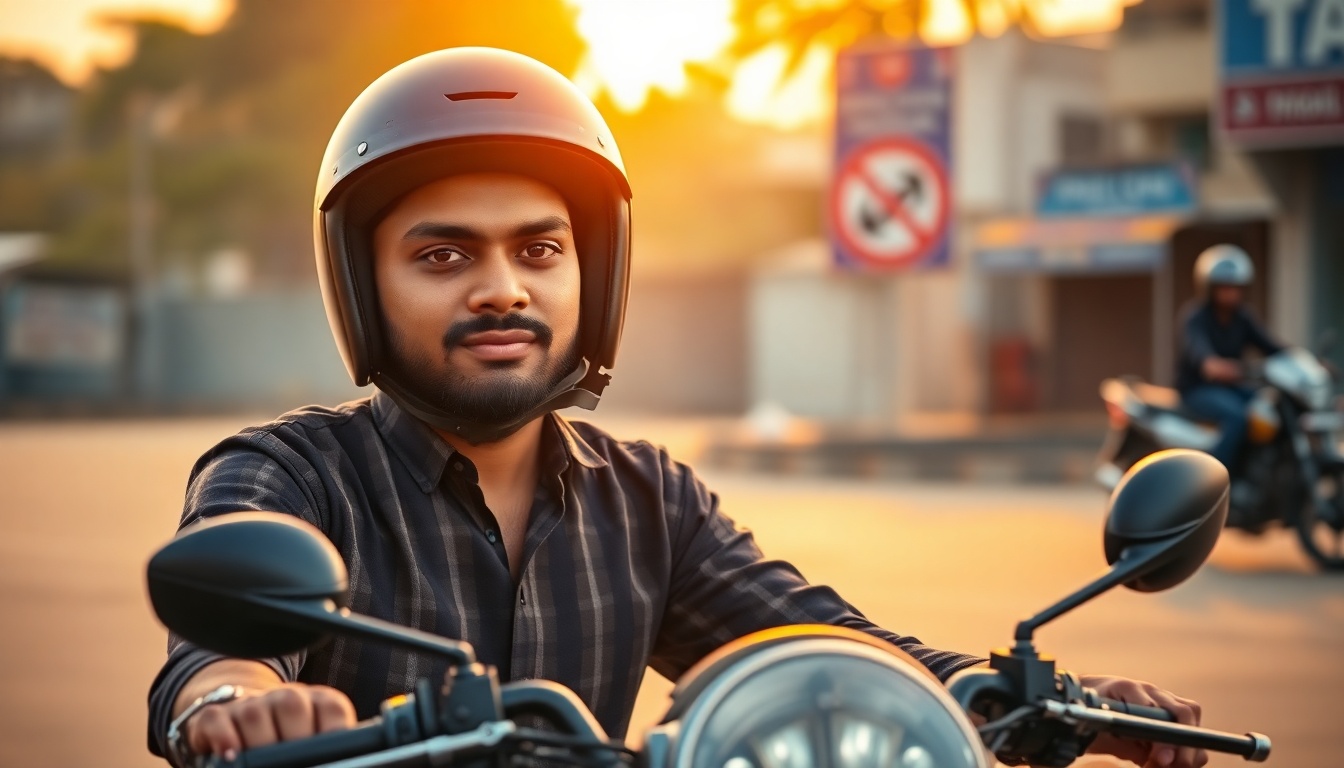
I see it every weekend at our training grounds. A group of new riders, helmets in hand, standing around a row of bikes. Their eyes are a mix of excitement and pure fear.
That first moment when you swing a leg over a motorcycle is a big deal. You feel the weight. You wonder if you’ll drop it. You’re not alone in that feeling, and that’s the entire point of a beginner motorcycle group course. It’s where you learn you’re not the only one who’s nervous.
Look, learning from a friend in an empty parking lot seems smart. But it misses the structure, the safety drills, and the shared experience that actually builds a real rider. A group course gives you that foundation, and it does it before you face a Bangalore traffic jam or a Pune hill climb.
Why Most Riders Get beginner motorcycle group course Wrong
Here is what most new riders get wrong about a group course. They think it’s just about getting a license. They see it as a box to tick, a formality. The real goal is survival. It’s about building muscle memory for the moment a dog runs across your path or a car swerves without warning.
I have seen this mistake cause accidents dozens of times. A rider passes the test, gets their bike, and immediately hits the highway. They’ve never practiced an emergency stop at 60 km/h. They’ve never learned to countersteer to avoid a pothole. The group course is where you practice these things in a safe space, not on a road full of trucks.
Another big error? Comparing yourself to others in the batch. You will have someone who picks up the clutch control in five minutes. You will have someone who stalls ten times. Your only competition is the rider you were yesterday. The group is there to learn from each other’s mistakes, not race each other on the training oval.
The real risk is not falling during training. It is thinking you’re too good to need the training. That ego is what writes off bikes.
I remember a student, let’s call him Rohan. First session, he could barely get the bike to move without stalling. He was frustrated, watching others do slow-speed circles. He told me he felt like he was holding the group back.
By the second afternoon, something clicked. He wasn’t just moving; he was controlling the bike. Later, he told me the biggest lesson wasn’t from me. It was watching another student, Priya, calmly reset after a stall and try again. That group dynamic, seeing others struggle and persist, did more for his confidence than any solo lesson ever could. He learned patience from his peers.
What Actually Works on Indian Roads
Here is the thing about riding here. You need to be smooth before you can be fast. A good group course drills this into you. You practice slow, controlled movements until they become automatic.
Your eyes save you. Most beginners stare at the bumper of the car in front of them or at the pothole they’re trying to avoid. You have to look where you want to go. We run exercises that force your vision up and out, scanning the chaos 12 seconds ahead.
Cover your brakes. This is non-negotiable. On our roads, reaction time is everything. Two fingers should always be resting on the front brake lever when you’re in traffic. Your foot should hover over the rear brake. This simple habit, practiced in a group drill, cuts your stopping distance dramatically.
Use the clutch as a safety valve. A sudden jerk or a loss of balance? Pull the clutch in. It kills the power to the wheel and gives you a moment to regain control. This instinct is what prevents a minor wobble from becoming a major fall.
Finally, ride your own ride. This is the core lesson of any group. Just because the rider ahead of you accelerated hard out of a corner doesn’t mean you should. You ride at the pace where you are in control. The group will wait for you at the next stop. A proper course teaches group riding etiquette, which is just as important as throttle control.
The best riders aren’t the ones who never get scared. They’re the ones who learned, in a safe group, what to do with that fear. They turn it into focus, not panic.
— Throttle Angels Instructor Team
Beginner vs Trained Rider Comparison
| Aspect | What Beginners Do | What Trained Riders Do |
|---|---|---|
| Approaching an Intersection | Focus only on the traffic light. Assume others will stop. | Scan left and right before the light, cover brakes, and have an escape path planned. |
| Seeing a Pothole | Stare at it and tense up, often riding straight into it. | Spot it early, look at the clear path around it, and let the bike follow their eyes. |
| Sudden Obstacle (Dog, Child) | Grab a handful of front brake, locking the wheel and crashing. | Apply progressive, firm pressure to both brakes while steering around the obstacle. |
| Riding in a Group | Tailgate the rider ahead, mirroring their speed blindly. | Maintain a staggered formation and a 2-second gap, riding their own pace. |
| After a Near-Miss | Get angry, adrenaline-fueled, and ride recklessly. | Pull over safely, take a breath, and analyze what happened to learn from it. |
Adapting to Indian Road Conditions
Book Your Trial Session Today!
Ready to master the roads of Bangalore or Pune? Join India’s premier motorcycle driving school.
Training Available in Bangalore & Pune
Book Your Trial Session Today!
Ready to master the roads of Bangalore or Pune? Join India’s premier motorcycle driving school.
Training Available in Bangalore & Pune
Monsoon riding is a different sport. A group course should teach you how to find grip on painted lines and manhole covers. You learn to be gentle with every control – throttle, brakes, steering. Sudden movements on wet tarmac will put you down.
Highway riding isn’t about top speed. It’s about endurance and dealing with wind blast from trucks. You need to know how to position yourself in a lane to be seen, and how to overtake safely without being pushed off the road by air pressure.
City traffic is a puzzle. You learn to read the body language of auto-rickshaws and the unpredictable moves of pedestrians. The key is to be predictable yourself. Use your indicators, position your bike clearly, and make eye contact whenever possible.
Gravel, sand, and diesel spills are everywhere. A good course teaches you to feel the front wheel start to slide and how to react without overcorrecting. This isn’t advanced racing technique. It’s basic survival on a rural Indian road.
Frequently Asked Questions
I have never ridden a bicycle. Can I still learn on a motorcycle?
Absolutely. It means we start from the very beginning, which is often better. You won’t have any bad cycling habits to unlearn. We teach balance and coordination from scratch, and many of our best students started with zero two-wheel experience.
What bike should I buy after the course?
Don’t buy anything until after the course. You’ll ride different bikes with us and understand seat height, weight, and power. Start with a used, lower-capacity bike (150-200cc) for your first year. You will drop it. It’s better to drop a used bike you’re not afraid to scratch.
Is the training done on my bike or your bikes?
We provide the training motorcycles. They are lightweight, durable, and set up for beginners. This way, you learn on a neutral bike without worrying about damaging your own. You can focus purely on skill, not on protecting your new machine.
How much does Throttle Angels training cost?
Our courses start at competitive rates with flexible packages. Call Rajkumar at 9535350575 or Arun at 8169080740 for current pricing and batch schedules in Bangalore and Pune.
What gear do I need to bring for the first day?
Just wear full-length jeans, a full-sleeve jacket, and sturdy shoes that cover your ankles. We provide helmets and gloves for the training. If you have your own riding gear, bring it. Comfort and protection are the only goals.
Look, that excitement you feel about riding is precious. A proper beginner course doesn’t kill that thrill. It protects it. It gives you the tools to enjoy the road for years, not just for the first week.
Your first ride out of the showroom should feel like a beginning, not a gamble. Get the foundation right with people who have seen it all. Then go write your own story on the road.
Book Your Trial Session Today!
Ready to master the roads of Bangalore or Pune? Join India’s premier motorcycle driving school.
Training Available in Bangalore & Pune