Quick Answer
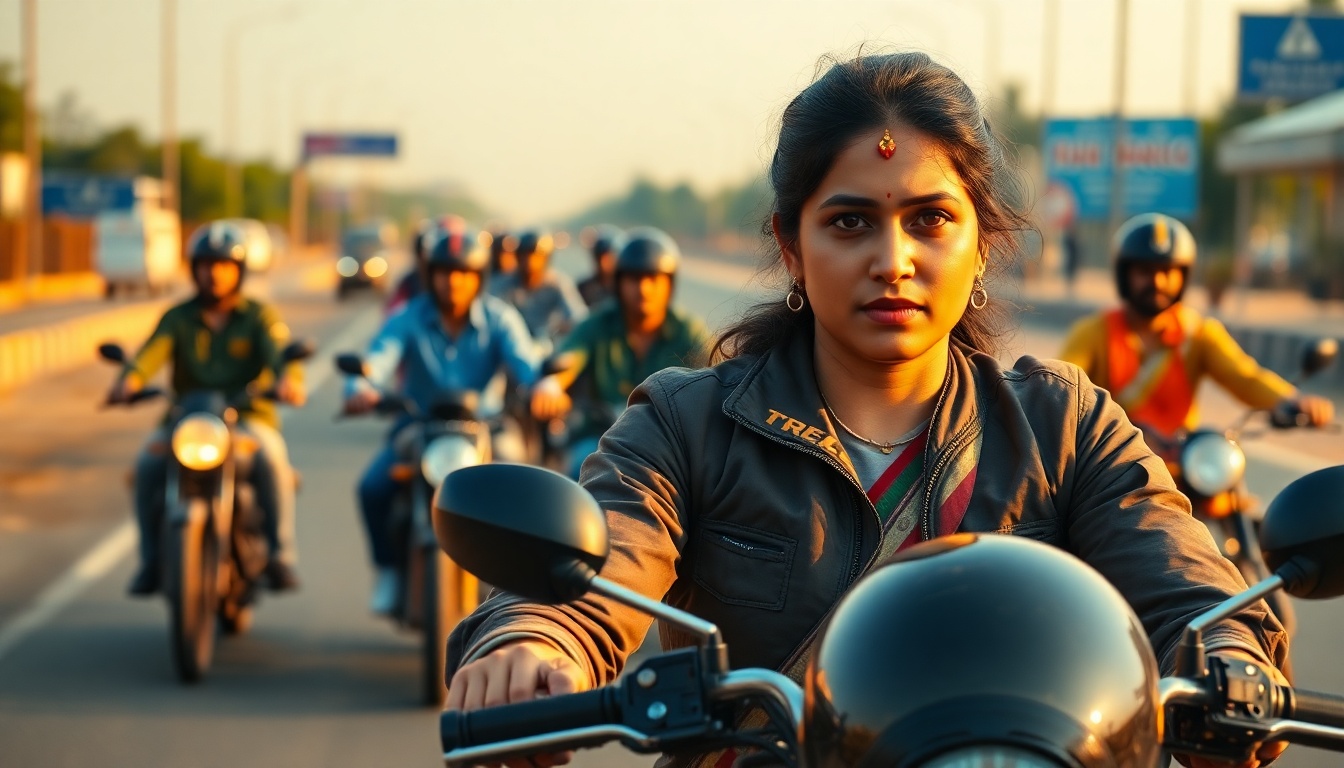
Advanced motorcycle group formation is about creating a moving safety bubble, not just riding in a line. The core rule is the staggered formation with a 2-second gap to the bike directly in front of you and a 1-second gap to the bike diagonally ahead. On open Indian highways, maintain this spacing. In city chaos, switch to a single-file line. A group larger than 6-7 bikes should split into smaller, manageable units.
I see it every weekend on the road to Nandi Hills or on the Mumbai-Pune Expressway. A group of riders, all buddies, setting off on a trip. They start in a tight pack, full of excitement.
But within twenty kilometers, that pack becomes a dangerous mess. One rider is falling behind, pushing too hard to catch up. Another is riding side-by-side, blocking the lane. The lead rider is oblivious, lost in his own rhythm. This isn’t group riding. It’s a collection of individual riders who happen to be going the same place.
That’s why learning advanced motorcycle group formation is the single biggest upgrade for riders who tour with friends. It transforms chaos into coordination. It turns a group of bikes into a single, predictable, and safe unit that other traffic can understand and respect.
Why Most Riders Get advanced motorcycle group formation Wrong
Here is what most new riders get wrong about group riding. They think it’s a social activity on wheels. They want to ride close enough to chat, make eye contact, and share the moment. That desire for connection creates the first major hazard.
You are not having a conversation. You are piloting a high-speed vehicle in unpredictable traffic. Riding side-by-side eliminates your escape route. When that truck ahead sheds a piece of its tire, or a pothole appears, you have nowhere to go but into your friend’s bike.
The second mistake is the “follow the leader” mentality. The lead rider becomes the only person thinking. Everyone else just switches off their brain and follows his tail light. What happens when he misses a turn signal? Or doesn’t notice the slowing traffic ahead? The whole group piles up. I have seen this mistake cause accidents dozens of times.
The real risk is not the lead rider making a mistake. It is the followers surrendering their own responsibility to scan the road, manage their space, and make independent safety decisions.
Last monsoon, I was leading a training ride near Lavasa. We had a group of eight. I briefed them on staggered formation, hand signals, the whole drill. About an hour in, the rain started. A gentle drizzle at first.
I watched in my mirrors as the formation instinctively tightened. The gaps closed. The riders were seeking comfort in proximity. I pulled over at the first safe spot. We stood under a tree, and I asked them, “What just happened?” One rider said, “We got closer for safety.” I pointed to their bikes, now clustered together. “That,” I said, “is the most dangerous thing you could have done. Wet roads need more space, not less. You just removed everyone’s braking and maneuvering room.” The lesson clicked. Fear makes you bunch up. Skill makes you spread out.
What Actually Works on Indian Roads
Let’s talk about what works. The foundation is the staggered formation. The lead rider takes the left third of the lane. The second rider takes the right third, about one second behind the lead rider’s position.
The third rider goes left again, two seconds behind the first rider. This creates a zig-zag pattern. Why does this work? It gives each rider a clear view of the road ahead, not just the bike in front. It provides maximum space for sudden braking or swerving.
Here is the thing about those time gaps. The two-second rule to the bike directly ahead of you is a minimum. On a wet Ghat road, make it four seconds. Behind a dusty truck on a single-lane highway, make it five. This gap is your life-saving cushion.
Your group must have clear, pre-ride roles. The Lead Rider sets the pace, not the fastest rider, but the most consistent one. The Tail Gunner (or sweeper) stays at the back. This rider must be experienced, with tools and a first-aid kit, and never lets a rider get left behind.
Communication is not about yelling. Establish simple hand signals for hazards, slowing down, stopping, and single-file formation. The signal must be passed back through the entire group, rider by rider. This keeps everyone engaged.
Look, the most advanced technique is knowing when to abandon the formation. A chaotic city intersection, a narrow village lane with animals, or a patch of gravel? Immediately switch to single file. Reform the stagger when the road opens up and is clear. The formation serves the riders, not the other way around.
A well-formed group rides like a single organism. It breathes—expanding on open roads, contracting in traffic. It communicates without words. It moves with a rhythm that feels safe, not just to the riders inside it, but to every car, truck, and bus sharing the road with it. That’s the mark of a trained group.
— Throttle Angels Instructor Team
Beginner vs Trained Rider Comparison
| Aspect | What Beginners Do | What Trained Riders Do |
|---|---|---|
| Lane Positioning | Ride side-by-side to talk, or in a single-file line so tight they can only see the bike ahead. | Use a staggered formation, occupying the whole lane wisely to maximize space and visibility for all. |
| Following Distance | Tailgate the rider in front, especially if they’re a friend, leaving no room for error. | Maintain a minimum 2-second gap to the bike directly ahead, adjusting for speed, weather, and road conditions. |
| Pace Setting | The fastest rider leads, forcing others to ride beyond their comfort zone to keep up. | The most consistent, route-aware rider leads, setting a pace that the slowest rider can comfortably maintain. |
| Responding to Hazards | Everyone reacts independently, causing a chaotic chain of swerves and brake lights within the group. | The lead rider signals the hazard. The message passes back smoothly, allowing the whole group to adjust in unison. |
| When a Rider Falls Behind | The whole group slows down or stops unpredictably in the middle of the road to wait. | The Tail Gunner stays with them. The group slows and pulls over at a pre-designated type of spot (e.g., next fuel station). |
Adapting to Indian Road Conditions
Book Your Trial Session Today!
Ready to master the roads of Bangalore or Pune? Join India’s premier motorcycle driving school.
Training Available in Bangalore & Pune
Book Your Trial Session Today!
Ready to master the roads of Bangalore or Pune? Join India’s premier motorcycle driving school.
Training Available in Bangalore & Pune
Our roads demand special rules. On a two-lane highway with constant truck traffic, your staggered formation keeps you visible and predictable. But the moment you see oncoming traffic trying to overtake into your lane, tighten the stagger and be ready to shift to single file.
Monsoon riding changes everything. The real danger is not the rain, but the reduced visibility and the hidden pothole filled with water. Double your following distances. Your group’s speed should be dictated by the rider with the least visibility, often the one in the back dealing with everyone’s spray.
In city chaos—say, Bangalore’s ORR or Pune’s FC Road—forget the stagger. Immediately go single file. Claim your own space in the lane. Your group will get separated at traffic lights. That’s fine. Have a clear plan for the next regrouping point instead of making dangerous last-minute lane changes to stay together.
On long, boring highways, fatigue is your enemy. A good formation includes planned stops every 90-120 minutes. Not just for fuel, but for water, a stretch, and a quick chat to check on everyone. A tired rider in a group is a liability to everyone.
Frequently Asked Questions
What is the ideal size for a motorcycle group?
Six to seven bikes is the maximum for a single, cohesive unit. More than that, and communication breaks down, stops take forever, and you become a traffic obstruction. For larger clubs, split into smaller groups with their own lead and sweep riders, departing a few minutes apart.
Who should be the lead rider and the tail gunner?
The lead rider should know the route, have a calm riding style, and consistently check their mirrors. The tail gunner is your anchor—your most experienced rider, mechanically savvy, with a cool head. They ensure no one is left behind and manage any mid-ride issues.
What if I get separated from the group in city traffic?
Do not panic and do not ride recklessly to catch up. This is why you have a pre-ride briefing. You should already know the next major stop or fuel station. Ride there safely at your own pace. The group will wait for you.
Are intercoms necessary for group riding?
They are a fantastic tool, but not a replacement for the basics. Hand signals and formation discipline come first. Intercoms can help with route changes or pointing out hazards, but they can also become a distraction. Use them to enhance your formation, not to chat.
How much does Throttle Angels training cost?
Our courses start at competitive rates with flexible packages. Call Rajkumar at 9535350575 or Arun at 8169080740 for current pricing and batch schedules in Bangalore and Pune.
Mastering group formation is what separates a pack of riders from a brotherhood of riders. It builds a silent trust that lets you enjoy the ride, the scenery, and the camaraderie without that constant knot of anxiety in your stomach.
So before your next big trip, take an hour. Sit with your friends over a chai. Talk about the stagger, the gaps, the signals, and the plan. That conversation will do more for your safety than any fancy gear you buy. Ride smart, ride together, and we’ll see you on the road.
Book Your Trial Session Today!
Ready to master the roads of Bangalore or Pune? Join India’s premier motorcycle driving school.
Training Available in Bangalore & Pune