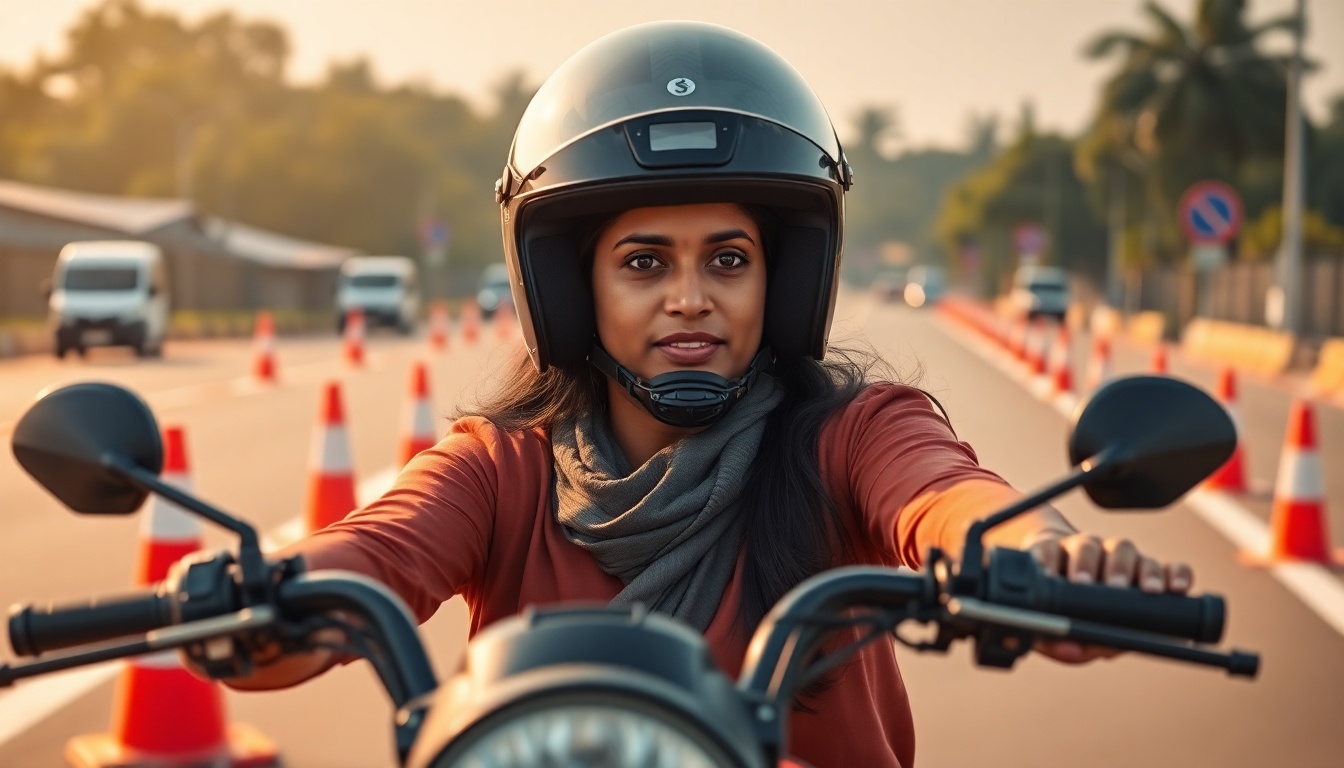
Quick Answer
Pro motorcycle throttle blipping is the technique of rev-matching your engine speed to your wheel speed during downshifts. It takes about 2-3 weeks of daily practice to get smooth, and it eliminates rear-wheel hopping, skidding, and drivetrain shock on Indian roads.
I was standing behind a rider at a traffic light in Bangalore last week. He was on a KTM 390, trying to downshift from third to second. The bike jerked, the rear wheel chirped, and he nearly lost his balance.
That is exactly what happens when you do not know pro motorcycle throttle blipping. The bike fights you. The suspension compresses at the wrong moment. Your confidence takes a hit every time you approach a corner or a slowing vehicle.
Here is the thing about throttle blipping. It is not some track-day gimmick. It is the single most important technique for smooth, controlled downshifting on real roads. And most riders in India never learn it properly.
Why Most Riders Get pro motorcycle throttle blipping Wrong
The biggest mistake I see is riders treating it like a twist-and-pray exercise. They yank the throttle open randomly while stomping the gear lever down. That is not blipping. That is just making noise.
Here is what most new riders get wrong about pro motorcycle throttle blipping. They think it is about speed. It is not. It is about timing. The throttle blip needs to happen exactly as you pull the clutch in and before you push the shifter down. Miss that window by even half a second, and you are back to jerky downshifts.
I have seen this mistake cause accidents dozens of times. A rider on the Mumbai-Pune expressway tries to downshift aggressively before a corner. The rear wheel locks up from the RPM mismatch. The bike starts to slide. Panic sets in. That is how you end up in the bushes.
Another common issue is blipping too much or too little. If you blip too hard, the bike lurches forward. If you blip too softly, the rear wheel still drags. You need to match the RPM increase to exactly what the lower gear requires at your current speed. That takes practice. There is no shortcut.
I remember a student named Ravi who came to our Throttle Angels course in Pune. He had been riding a Royal Enfield Classic 350 for two years. Confident guy. Thought he knew everything about downshifting.
On the second day, I asked him to downshift from fourth to second before a sharp right-hander. He grabbed the clutch, dropped two gears, and let the clutch out without any throttle blip. The rear wheel locked, the bike fishtailed, and he put his foot down at 30 km/h. Almost broke his ankle. That day, he learned that two years of bad habits are harder to unlearn than two weeks of proper technique.
What Actually Works on Indian Roads
Let me tell you what pro motorcycle throttle blipping looks like when done right. You are approaching a speed breaker on a busy Bangalore road. You pull the clutch in, blip the throttle a fraction of a second later, and downshift. The bike settles into the lower gear like it was always meant to be there. No jerk. No noise. Just smooth, controlled deceleration.
The key is to practice in a straight line first. Find an empty stretch of road. Start at 60 km/h in fourth gear. Pull the clutch, blip the throttle to around 5000 RPM, and downshift to third. Feel the transition. If the bike jerks, you blipped too little. If it surges, you blipped too much.
Here is a drill I give all my students. Find a stretch of road with no traffic. Ride at a steady speed in third gear. Without changing your road speed, practice downshifting to second and back up to third using proper blipping. Do this twenty times. Then do it twenty more. Your hand will start to learn the exact amount of throttle twist needed.
On Indian roads, you need to adapt your blipping to the bike. A pulsar 200 needs a very different blip than a Himalayan 450. The throttle response, the gear ratios, the engine braking — they all change how much you twist. Spend time on your specific bike. Learn its personality.
The real risk is not the blipping itself. The real risk is hesitation. When you half-commit to a blip, you end up with a partial RPM match that makes the bike lurch. Commit fully. A sharp, precise blip is safer than a tentative one.
One more thing. Your clutch control matters just as much as your throttle hand. You need to release the clutch smoothly after the blip. Not dump it. Not feather it forever. A clean, controlled release is what makes the downshift seamless.
“Throttle blipping is not about sounding fast. It is about keeping your rear tire planted and your chassis stable. On Indian roads with potholes, gravel, and sudden obstacles, stability is everything.”
— Throttle Angels Instructor Team
Beginner vs Trained Rider Comparison
| Aspect | What Beginners Do | What Trained Riders Do |
|---|---|---|
| Throttle Input | Random twist, often too late or too early | Sharp, precise blip timed with clutch pull |
| Clutch Release | Dump or feather, causing jerk or slip | Smooth, controlled release after RPM match |
| Corner Entry | Brake hard, then downshift with clutch held in | Brake, blip, downshift, release — bike stays stable |
| Rear Wheel Behavior | Chirps, hops, or locks up on downshift | Stays planted, no loss of traction |
| Confidence Level | Nervous about downshifting in traffic | Downshifts naturally, even in heavy traffic |
Adapting to Indian Road Conditions
Book Your Trial Session Today!
Ready to master the roads of Bangalore or Pune? Join India’s premier motorcycle driving school.
Training Available in Bangalore & Pune
Book Your Trial Session Today!
Ready to master the roads of Bangalore or Pune? Join India’s premier motorcycle driving school.
Training Available in Bangalore & Pune
Indian roads are not racetracks. You have to adapt pro motorcycle throttle blipping to real conditions. In monsoon season, your rear tire has less grip. A harsh blip can break traction on wet asphalt. You need a gentler, more progressive blip in the rain.
On highways with gravel patches, like stretches on the NH4, blipping aggressively can upset the bike’s balance. Keep your blips smaller and your clutch release smoother. Let the bike settle before you lean into a corner.
In city traffic, you will be downshifting constantly. Stop-and-go riding wears out your clutch and chain if you blip incorrectly. A proper blip reduces drivetrain shock by up to 40%. That means less wear on your bike and more control for you.
The biggest challenge on Indian roads is unpredictability. A cow steps out. A rickshaw cuts you off. A pothole appears from nowhere. When you have automatic throttle blipping muscle memory, your brain is free to process those surprises. That is the real benefit of mastering this technique.
Frequently Asked Questions
Is throttle blipping necessary on modern bikes with slipper clutches?
Yes. Slipper clutches reduce rear wheel hop but do not eliminate the need for rev-matching. You still get drivetrain shock and chassis upset without a proper blip. It is smoother and safer to blip regardless of your bike.
Can I learn throttle blipping on a small-displacement bike?
Absolutely. In fact, it is easier to learn on a 150-250cc bike because the RPM changes are more forgiving. A smaller engine lets you feel the connection between throttle input and engine braking more clearly.
How long does it take to master pro motorcycle throttle blipping?
Most riders get the basic motion in 2-3 practice sessions. Smooth, automatic blipping in real traffic takes about 2-3 weeks of daily riding. Full mastery where you do not think about it anymore takes around 2 months.
Does throttle blipping work on scooters?
No. Scooters use CVT transmissions that do not require manual downshifting. This technique is for motorcycles with manual gearboxes only. If you ride a scooter, focus on smooth braking and body positioning instead.
How much does Throttle Angels training cost?
Our courses start at competitive rates with flexible packages. Call Rajkumar at 9535350575 or Arun at 8169080740 for current pricing and batch schedules in Bangalore and Pune.
Here is what I want you to take away from this. Pro motorcycle throttle blipping is not optional if you want to ride safely on Indian roads. It is the difference between fighting your bike and flowing with it. Between a rear wheel that hops and one that stays glued to the tarmac.
Start practicing tomorrow. Find an empty road. Do the drill I described. Your bike will thank you. And more importantly, your body will stay upright when you need it most.
Book Your Trial Session Today!
Ready to master the roads of Bangalore or Pune? Join India’s premier motorcycle driving school.
Training Available in Bangalore & Pune