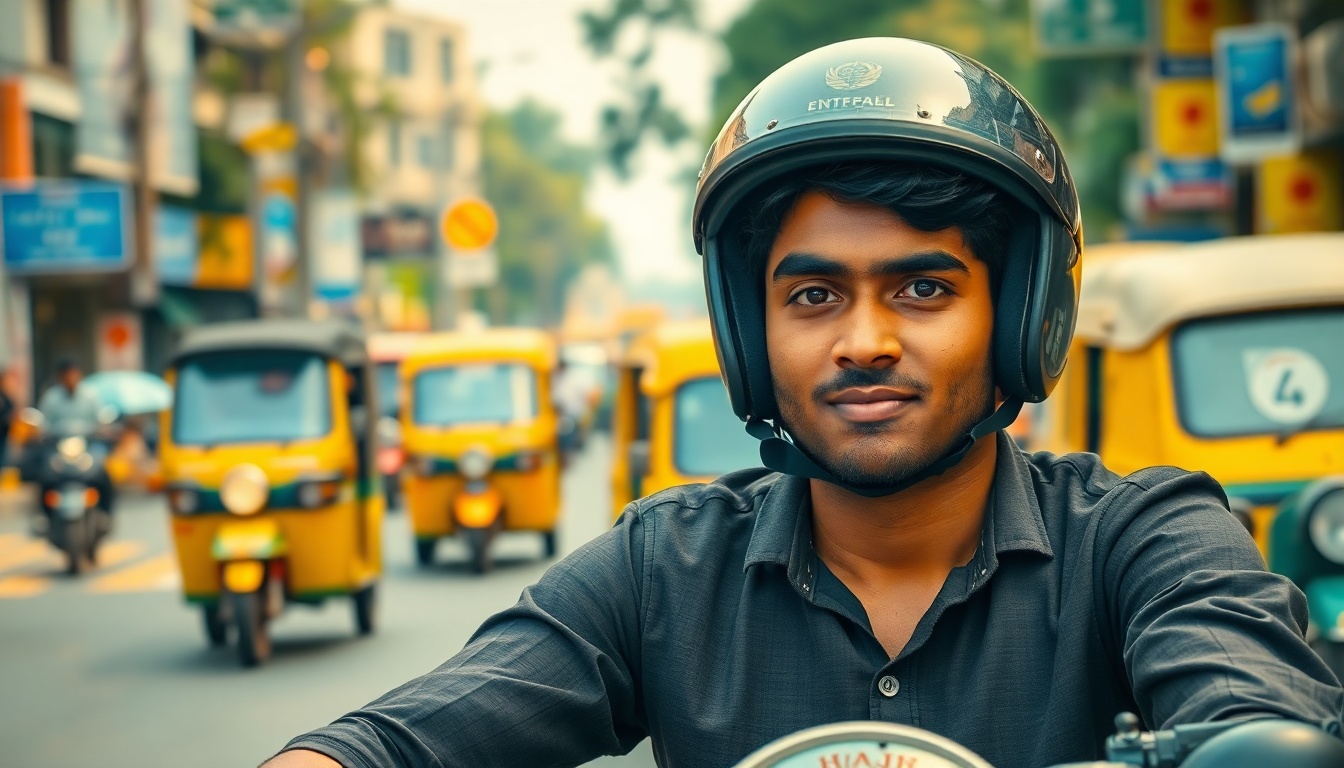
Quick Answer
Advanced motorcycle braking in Bangalore means learning progressive braking, trail braking into corners, and emergency stops from 60 km/h in under 15 meters. It takes about 8-10 hours of deliberate practice with an instructor to rewire your reflexes for Indian road conditions.
I see it every weekend at our Throttle Angels training yard in Bangalore. A rider pulls up on a brand new 400cc machine, full riding gear, confident posture. Then we get to the braking drills.
They grab a handful of front brake. The bike dives. The rear wheel lifts. They panic and let go completely. That is how you end up in the back of a BMTC bus.
If you are searching for “advanced motorcycle braking pro Bangalore,” you already know the basics work. You want to go deeper. You want to stop shorter, corner harder, and survive the chaos of Silk Board junction during monsoon. Let me show you how.
Why Most Riders Get advanced motorcycle braking pro Bangalore Wrong
Here is the thing about braking on Indian roads. Most riders think it is just about squeezing the lever harder. That is a fast track to a crash, especially on our mixed surfaces.
I have trained over 3,000 riders in Bangalore and Pune. The number one mistake is what I call “panic clamping.” You see a pothole, a cow, or an autorickshaw cutting across three lanes. Your survival instinct says grab everything. Your front wheel locks, you lose steering, and you go down.
The second mistake is worse. Avoiding the front brake entirely. Some riders are so scared of flipping over the handlebars that they only use the rear brake. On a dry road, your front brake does 70-80% of the stopping. Ignoring it doubles your stopping distance. That extra 10 meters is the difference between a close call and a hospital visit.
Then there is the Bangalore special — braking mid-corner on a dusty, gravel-strewn curve. Most riders straighten the bike, brake hard, and run wide into oncoming traffic. That is not braking. That is gambling with your life.
Last monsoon, a student came to us after a near-miss on NICE Road. He was doing 80 km/h, hit a patch of standing water, and grabbed the front brake. The bike slid sideways for 20 meters. He was lucky — only bruised his shoulder.
We spent two hours that day just on wet-surface braking drills. He learned to feather the brake, keep the bike upright, and look where he wanted to go instead of staring at the puddle. That one session probably saved his life. He still calls me every six months to thank me.
What Actually Works on Indian Roads
Let me give you the system we teach at Throttle Angels. It is not complicated. But it requires practice until it becomes automatic.
First, progressive braking. You do not grab the brake. You squeeze it like you are pulling a trigger — smooth and increasing. Start with 20% pressure, then 40%, then 80% as the weight transfers to the front wheel. That weight transfer is your friend. It pushes the tyre into the road, giving you more grip. But only if you let it happen gradually.
Second, cover your brake lever in traffic. In Bangalore, things change in half a second. An autorickshaw will cut you off. A pedestrian will step out from behind a bus. If your fingers are already resting on the lever, you save that critical 0.2 seconds of reaction time. At 60 km/h, that is 3.3 meters. That is your safety buffer.
Third, trail braking into corners. This is the advanced skill most riders never learn. You keep a little front brake pressure as you lean into a turn. It settles the suspension, keeps the tyre loaded, and lets you adjust your line mid-corner. If you see gravel or a pothole, you can tighten your line or straighten up safely. It feels wrong at first. But once you get it, you will wonder how you rode without it.
Fourth, emergency braking practice. Find an empty stretch of road. Mark a spot on the ground. Practise stopping from 40 km/h, then 50 km/h, then 60 km/h. Time yourself. Aim for under 15 meters from 60 km/h. That is achievable with good technique. Most riders need 20-25 meters because they panic. Train your brain to stay calm.
Fifth, use both brakes together. The front brake does the heavy lifting. The rear brake stabilises the bike. In an emergency, apply both simultaneously. But remember — the rear brake is a stabiliser, not a stopper. If you lock the rear, keep it locked until you stop. Releasing it suddenly can cause a highside crash.
“The best braking in the world means nothing if you cannot keep the bike upright while doing it. We teach riders to brake with their eyes, not just their hands. Look where you want to stop, and your body will follow.”
— Throttle Angels Instructor Team
Beginner vs Trained Rider Comparison
| Aspect | What Beginners Do | What Trained Riders Do |
|---|---|---|
| Brake application | Grab the lever suddenly, often with fingers off the clutch | Squeeze progressively, using two fingers while keeping grip on throttle |
| Front vs rear use | Rely mostly on rear brake out of fear | Use front brake for 70-80% of stopping power, rear for stability |
| Corner braking | Brake before the turn, then coast through | Trail brake into corners for better line control |
| Emergency stop from 60 km/h | 22-28 meters, often with locked wheels | 12-15 meters, controlled and stable |
| Wet road response | Panic brake, slide, or avoid braking entirely | Feather brakes, keep bike upright, maintain vision |
Adapting to Indian Road Conditions
Book Your Trial Session Today!
Ready to master the roads of Bangalore or Pune? Join India’s premier motorcycle driving school.
Training Available in Bangalore & Pune
Book Your Trial Session Today!
Ready to master the roads of Bangalore or Pune? Join India’s premier motorcycle driving school.
Training Available in Bangalore & Pune
Bangalore roads are unpredictable. One minute you are on smooth asphalt. The next, you hit a patch of loose gravel left by a construction truck. Or a layer of diesel spill from a leaking lorry. Or standing water that hides a pothole deep enough to swallow your front wheel.
Here is how you adapt. In the monsoon, double your following distance. Wet roads cut your grip by at least 30%. Your braking distance increases from 15 meters to 25 meters or more. Leave space. And avoid braking suddenly on painted road markings — they are like ice when wet.
On highways like NICE Road or the Bangalore-Mysore highway, the risk is different. High-speed braking from 100 km/h requires immense control. You need to start braking earlier, apply pressure more gradually, and be ready for the rear to get light. If your rear wheel starts skipping, ease off the front brake slightly to let it settle.
In city traffic, your biggest enemy is the two-wheeler that cuts in front of you without warning. Keep your eyes scanning 12 seconds ahead. If you see a gap in traffic, expect someone to fill it. Cover your brake. Anticipate. That is the real advanced skill — not just braking harder, but braking earlier because you saw it coming.
Frequently Asked Questions
What is the most important braking skill for Bangalore traffic?
Progressive braking combined with covering the lever. In stop-and-go traffic, you need to apply smooth pressure while keeping your eyes scanning for the next hazard. Most accidents happen because riders brake too late or too hard.
Can I learn advanced braking on my own?
You can practice the basics, but real progress requires a coach watching your technique. Small errors in body position, grip, or timing make a huge difference. We see riders improve by 40% in a single session with proper feedback.
Does ABS make advanced braking unnecessary?
No. ABS prevents wheel lock, but it does not reduce your stopping distance on dry roads. It also cannot fix panic clamping or poor weight transfer. ABS is a safety net, not a substitute for technique.
How do I practice trail braking safely?
Start on a wide, empty road with a gentle turn. Brake lightly as you lean in, then release smoothly as you reach the apex. Keep your upper body relaxed. Do not try this in traffic until you have mastered it in a controlled environment.
How much does Throttle Angels training cost?
Our courses start at competitive rates with flexible packages. Call Rajkumar at 9535350575 or Arun at 8169080740 for current pricing and batch schedules in Bangalore and Pune.
Braking is the single most important skill you will ever learn on a motorcycle. Not cornering. Not accelerating. Stopping. Because every ride eventually requires you to stop, and how you do it determines whether you walk away or get carried away.
If you are serious about advanced motorcycle braking in Bangalore, come spend a day with us at Throttle Angels. We will put you through drills that feel uncomfortable at first. But by the end, you will brake with confidence instead of fear. That confidence might just save your life.
Book Your Trial Session Today!
Ready to master the roads of Bangalore or Pune? Join India’s premier motorcycle driving school.
Training Available in Bangalore & Pune