Quick Answer
A proper basic motorcycle course in Bangalore is a 2-3 day, hands-on program that teaches you how to control a bike in real traffic, not just pass a test. You need about 12-15 hours of focused practice on our closed track before you even think about ORR. The right course builds muscle memory for survival, not just theory.
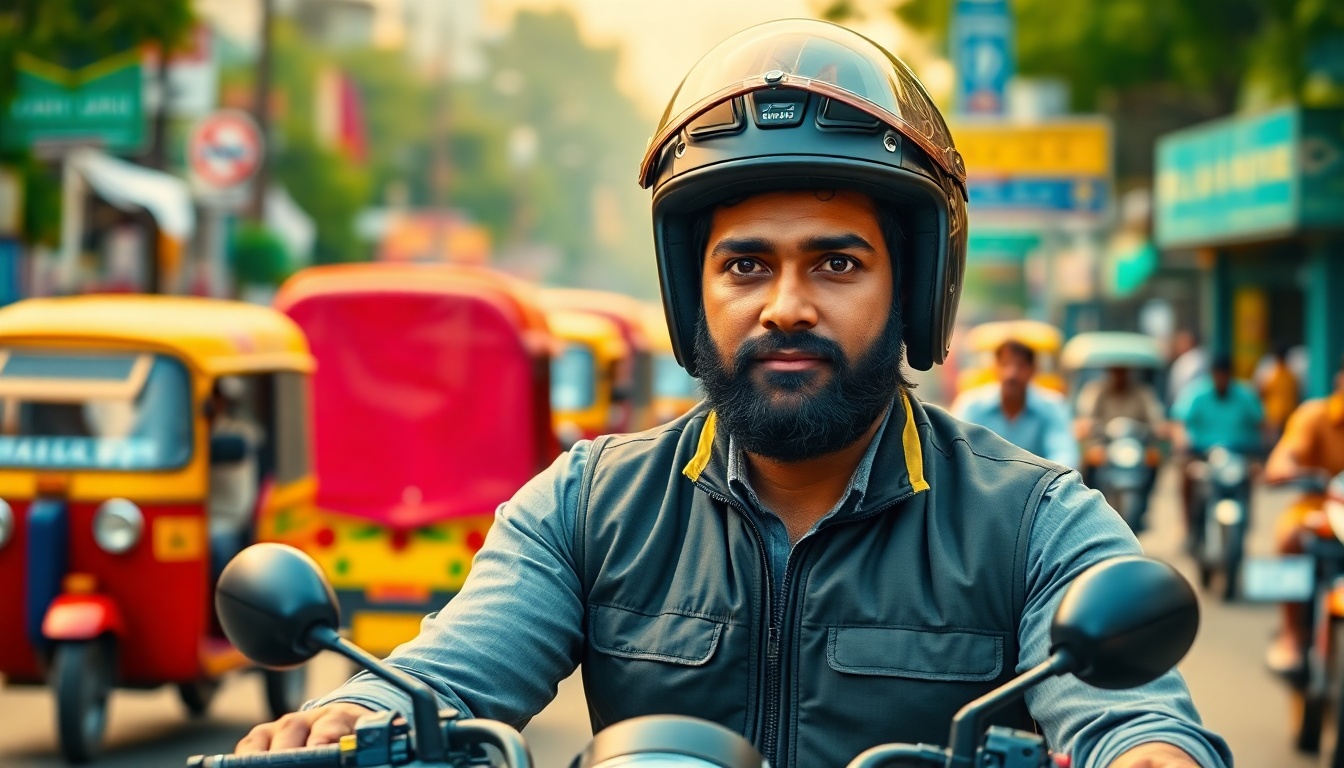
I see it every weekend at our training ground. A new rider, helmet on, hands gripping the handlebars like they’re trying to choke the life out of them. Their eyes are fixed on the speedometer, not the road ahead. They’re thinking about gears, not the pothole or the sudden autorickshaw swerve.
That’s the exact moment we start our work. Because learning to ride isn’t about knowing where the clutch is. It’s about your body reacting correctly when everything goes wrong. And in Bangalore, things will go wrong. A search for a basic motorcycle course Bangalore often leads people to think it’s a formality. Here is the thing about that: it’s not.
Your first course is the foundation everything else is built on. Get it wrong, and you build bad habits that are hard to break. Get it right, and you gain confidence that keeps you safe on Mysore Road at 6 PM. Let’s talk about what that really looks like.
Why Most Riders Get basic motorcycle course Bangalore Wrong
Here is what most new riders get wrong about a basic course. They think it’s just for the license. They see it as a checkbox, a hurdle to jump so they can get their shiny new bike on the road. The real risk is not failing the test. It is passing the test without the actual skills.
I have seen this mistake cause accidents dozens of times. A rider learns in a quiet, empty lot. They practice figure-eights without any pressure. Then they get their license and immediately face the chaos of Silk Board Junction. Their brain freezes. They haven’t practiced the slow clutch control needed when a bus cuts them off. They panic.
Another common error? Focusing only on “riding.” A proper basic course is 50% riding, 50% everything else. How do you check your tire pressure? What’s the correct way to lift a fallen 180kg bike? How do you scan that messy intersection where three lanes become five? If your course doesn’t cover this, it’s incomplete.
Look, the roads don’t care if you have a license. They demand respect and specific skills. Your training needs to mirror that reality from day one.
Last month, a software engineer named Arjun came to us. He had “learned” from a friend in his apartment basement. On his first day, I asked him to do a simple left turn. He looked down to change gear, his handlebar wobbled, and he almost dropped the bike. He was frustrated. “I know how to ride,” he said.
I told him to forget the gears. Just walk the bike through the turn, feeling its weight. Then do it at walking speed with the clutch. Then a bit faster. Two hours later, he was looking through the turn, his body positioned correctly, shifting smoothly. The relief on his face was real. He didn’t know how to ride. He knew how to operate a motorcycle. There’s a ocean of difference between the two.
What Actually Works on Indian Roads
So what does work? It starts with unlearning. You need to forget the idea that speed is king. On our roads, control at low speed is your superpower. We drill this for hours. Can you do a tight U-turn without putting your foot down? Can you ride in a straight line at 5 kmph? This is what gets you through packed market streets.
Next is vision. Beginners stare at the bumper of the car in front of them. Your eyes need to be up, scanning 10-12 seconds ahead. See that pedestrian on the side? See the gap in the median where a scooter might shoot out? Your hands will follow your eyes. If you’re looking at the ground, that’s where you’ll go.
Braking. Here is the thing about braking: everyone pulls the front lever hard in a panic. On a gravelly Bangalore side road, that will lock the wheel and send you sliding. You must practice progressive braking—squeezing, not grabbing. And you must use both brakes together, every single time.
The real skill is managing space. You create a safety bubble around your bike. You position yourself in the lane so you’re visible. You don’t hide in blind spots. You anticipate the cow, the pothole, the car door swinging open. This isn’t advanced stuff. This is your basic motorcycle course Bangalore curriculum if it’s worth the name.
Finally, the machine itself. You should know how a clutch actually works. What does engine braking feel like? Why does your bike lean? When you understand the physics, even a little, you stop fighting the bike and start working with it. That’s when riding becomes intuitive.
A certificate doesn’t stop a bike. Skills do. We don’t train you to pass a test in a controlled yard. We train you for the moment a truck blows a tire next to you on NH48 and your body needs to react before your brain even processes the sound.
— Throttle Angels Instructor Team
Beginner vs Trained Rider Comparison
| Aspect | What Beginners Do | What Trained Riders Do |
|---|---|---|
| Approaching an Intersection | Focus only on the traffic light. Brake at the last moment. | Scan left and right for red-light jumpers. Cover the brakes early, plan an escape path. |
| Seeing a Pothole | Stare at it, tense up, and ride straight into it. | Spot it early, check mirrors, shift body weight, and steer around it smoothly while maintaining lane position. |
| Sudden Obstacle (e.g., a dog) | Slam the front brake, potentially locking the wheel and losing control. | Apply progressive brake pressure, keep eyes up looking for the exit path, and steer around without abrupt inputs. |
| Lane Positioning | Ride in the center of the lane, often in the oil slick, invisible to drivers ahead. | Ride in the left or right tire track of the car ahead for better visibility and to avoid center-lane debris. |
| Mental State | Reactive. Stressed by every input. “What is that car doing?” | Proactive. Calmly reading traffic flow 10 seconds ahead. “That car might switch lanes, I’ll adjust my space now.” |
Adapting to Indian Road Conditions
Book Your Trial Session Today!
Ready to master the roads of Bangalore or Pune? Join India’s premier motorcycle driving school.
Training Available in Bangalore & Pune
Book Your Trial Session Today!
Ready to master the roads of Bangalore or Pune? Join India’s premier motorcycle driving school.
Training Available in Bangalore & Pune
Bangalore roads are a special kind of classroom. You have perfect tarmac, then suddenly, a patch of gravel from a construction site. A trained rider feels the change in traction through the seat and handlebars. They lighten their inputs immediately.
Monsoons are another beast. Your basic course must include wet-weather riding. It’s not about going slow. It’s about smoothness. Jerky throttle or brakes on those painted road markings or metal manhole covers? That’s a guaranteed fall. You learn to be a feather on the controls.
Then there’s highway riding. The wind blast from trucks on Tumkur Road can push you a foot sideways. Do you fight it or lean into it slightly? How do you handle the pressure difference when you overtake? These aren’t advanced techniques. They are basic survival skills for our conditions.
Look, the bike is the same everywhere. But the environment dictates your skills. Your training has to be local, or it’s just theory.
Frequently Asked Questions
I already know how to ride a scooter. Do I need a basic motorcycle course?
Yes, absolutely. A motorcycle is heavier, has a manual clutch, and handles differently. Scooter balance is mostly in your hands. Motorcycle balance is in your hips and feet. The controls and weight distribution demand specific training to avoid dangerous mistakes.
What should I look for in a good basic motorcycle course in Bangalore?
Look for a structured curriculum, not just “practice time.” It must include slow-speed control, emergency braking, obstacle avoidance, and theory on road strategy. Crucially, the student-to-instructor ratio should be low (max 4:1). Ask if they provide bikes and helmets.
How much does Throttle Angels training cost?
Our courses start at competitive rates with flexible packages. Call Rajkumar at 9535350575 or Arun at 8169080740 for current pricing and batch schedules in Bangalore and Pune.
What if I drop your training bike?
It happens. That’s why we use training bikes with crash guards. We want you to learn the limits of traction and control in a safe environment. Dropping a bike with us is a lesson. Dropping it on the road is an accident.
How long before I can ride in Bangalore traffic after the course?
It varies. The course gives you the tools. Start with short, familiar routes in low-traffic hours. Build up your mental stamina over 2-3 weeks. Don’t rush into peak-hour Silk Board on day one. Confidence grows with calm, consistent practice.
Think of your first course as the most important modification you’ll ever make to your motorcycle. It’s not an exhaust or a fancy visor. It’s upgrading the rider.
The roads are waiting. Make sure you’re ready for them, not just on paper, but in your reflexes. Your first ride home on your new bike should feel like a victory, not a terrifying gamble. That feeling starts with the right foundation.
Book Your Trial Session Today!
Ready to master the roads of Bangalore or Pune? Join India’s premier motorcycle driving school.
Training Available in Bangalore & Pune