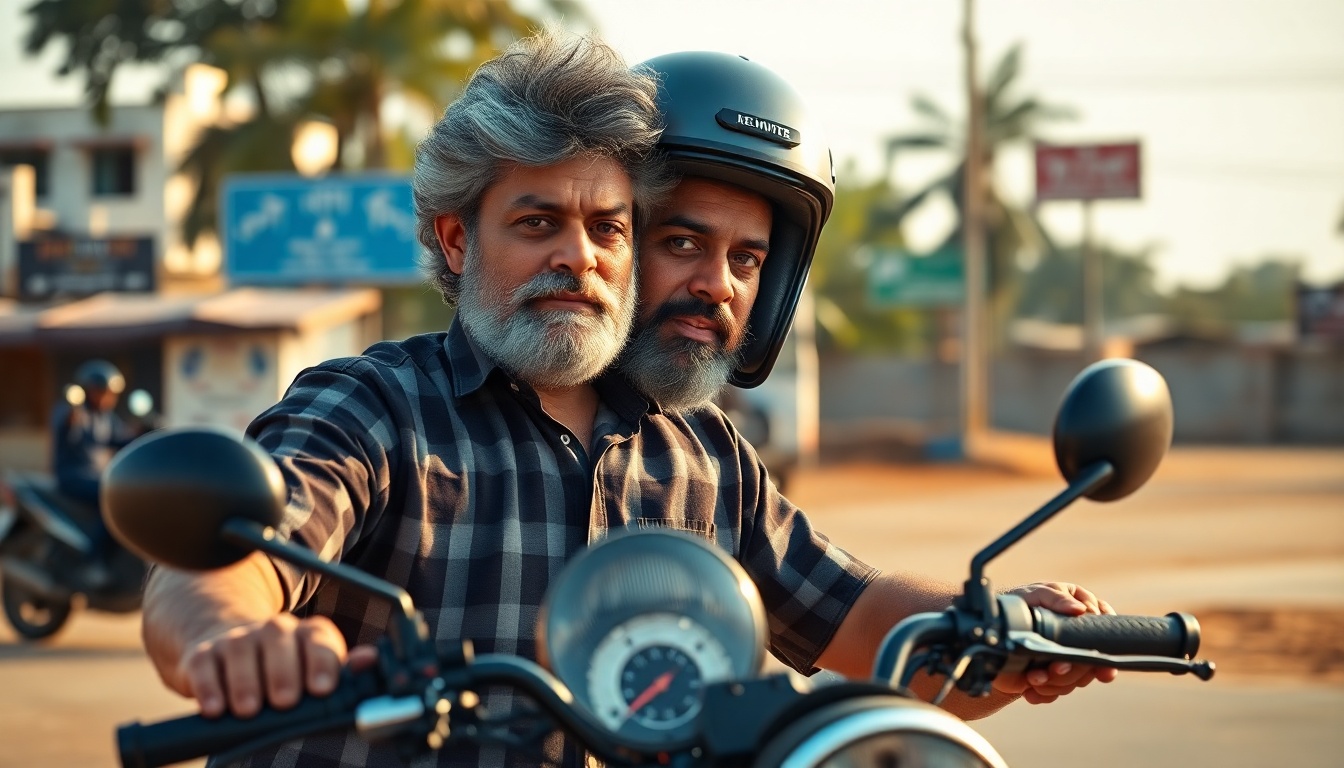
Quick Answer
A beginner motorcycle training certificate is your first real step to surviving Indian roads. It’s not just a piece of paper for the RTO; it’s proof you’ve learned the non-negotiable skills to handle traffic, potholes, and sudden dangers. A proper course takes about 15-20 hours over a week, and the right training can cut your risk of a first-year crash by more than half.
I see it every weekend at our training grounds. A new rider, excited, sitting on their shiny new bike. They can start it. They can go in a straight line. They think they’re ready.
Then I ask them to make a tight U-turn on our painted circle. Or to stop smoothly while looking over their shoulder. That’s when the wobble starts. That’s the moment they realize there’s a canyon between buying a bike and actually riding it. This is the gap a genuine beginner motorcycle training certificate is meant to fill.
Look, that certificate shouldn’t just be a formality you rush through. It should represent a fundamental shift in how you see the road. It’s the difference between being a passenger on a powered two-wheeler and being a rider in control.
Why Most Riders Get beginner motorcycle training certificate Wrong
Here is what most new riders get wrong about this certificate. They think it’s a bureaucratic hurdle. A box to tick so the RTO officer stamps their license application. They want the cheapest, fastest option to get that paper.
The real risk is not failing the test. It is passing the test without learning a single lifesaving skill. I have seen this mistake cause accidents dozens of times. A rider “trained” at a shady lot learns to ride in a empty plot. They never experience a simulated traffic situation. They panic the first time an auto-rickshaw cuts across them on a rainy Bangalore day.
Another huge mistake? Focusing only on the bike. Your beginner motorcycle training certificate course should be 50% about the machine and 50% about the mind. You need to learn road psychology. Why does that bus suddenly swerve without signaling? How do you read the intention of a pedestrian about to cross?
You won’t learn that by going around cones in an empty field. You learn it by discussing scenarios, by having an instructor point out the invisible patterns in the chaos. That’s what your certificate should certify—that you understand the ecosystem you’re entering.
I remember a student, Priya. She was sharp, but nervous. She aced the basics in our controlled area. On her final day, we did a supervised ride on a quiet but real street. A dog slept in the middle of the lane around a blind corner.
Her instinct was to stare at the dog and brake hard in a straight line. We had drilled the “swerve” drill a hundred times. In that moment, on real asphalt, it clicked. She looked where she wanted to go—a small gap to the left—pressed on the handlebar, and smoothly avoided it without losing composure.
That single real-world moment was worth more than any stamp on a paper. Her certificate meant something after that. It meant she had confronted a real hazard and applied a trained response. That’s the story you want behind your certificate.
What Actually Works on Indian Roads
Let’s talk about what actually works. Your primary control is your vision. You go where you look. This isn’t philosophy; it’s physics. If you fixate on a pothole, you will hit it. Your training must rewire this instinct.
You need to practice looking through the corner, at the exit, at the space you want to occupy. This feels unnatural at first. A good course makes it second nature before you ever get your beginner motorcycle training certificate.
Then there’s braking. Here is the thing about Indian roads. You will rarely get a clean, dry, straight line to stop. The surface changes, there’s gravel, there’s oil, there’s water. Threshold braking—using the front brake effectively without locking it—is not a advanced skill. It’s a day-one skill.
I have seen riders with years of “experience” who only use the rear brake because they’re scared of the front. They are a danger to themselves. A proper course breaks that fear in a safe environment. You practice stopping hard until it’s boring.
Finally, slow speed control. Traffic jams in Pune or Bangalore are a slow-speed ballet. If you can’t balance, clutch-feather, and maneuver at walking pace, you will be exhausted, tip over, or get hit. This is a core pillar of real training. It builds your confidence more than anything else.
A beginner motorcycle training certificate isn’t a diploma that says you’ve finished learning. It’s a learner’s permit for your brain. It means you’ve learned how to learn from the road, how to respect the machine, and how to protect your life. The real test starts the moment you ride out of the training center gate.
— Throttle Angels Instructor Team
Beginner vs Trained Rider Comparison
| Aspect | What Beginners Do | What Trained Riders Do |
|---|---|---|
| Emergency Braking | Panic, grab brakes hard, often locking the rear wheel and skidding. | Progressively apply front brake, keep body loose, look for escape path while stopping. |
| Hazard Reaction | Stare at the hazard (pothole, animal), tense up, ride straight into it. | Identify hazard early, scan for escape route, look at the gap, and smoothly maneuver. |
| Slow Speed Traffic | Feet down, jerky clutch control, frequent stalls, high stress. | Feather clutch and rear brake, head up, balance effortlessly, plan moves ahead. |
| Cornering | Slow down too much, stiff arms, look down at the front wheel. | Set speed before turn, look through to exit, press handlebar to lean, smooth throttle. |
| Mental Approach | Assume others will follow rules. Ride in a reactive, surprised state. | Assume everyone will make a mistake. Ride proactively, with a constant escape plan. |
Adapting to Indian Road Conditions
Book Your Trial Session Today!
Ready to master the roads of Bangalore or Pune? Join India’s premier motorcycle driving school.
Training Available in Bangalore & Pune
Book Your Trial Session Today!
Ready to master the roads of Bangalore or Pune? Join India’s premier motorcycle driving school.
Training Available in Bangalore & Pune
Your training must be Indian. A curriculum copied from abroad won’t prepare you for a monsoon-drenched road with a hidden crater. We drill on wet surfaces. You need to feel how braking distance triples.
Highway riding here is a different beast. It’s not about top speed. It’s about managing fatigue, handling crosswinds from trucks, and knowing that a “two-lane” highway often has three rows of traffic. Your certificate training should include highway strategy sessions.
Then there’s the urban jungle. The filtered light at intersections, the glare, the unpredictable movement from every direction. Training teaches you positioning. Where to stop so you’re visible. Which lane to take for a right turn. How to avoid the blind spot of a bus.
This adaptation isn’t optional. It’s the core of your survival. A quality beginner motorcycle training certificate program builds these specific, local skills into every lesson.
Frequently Asked Questions
Is a beginner motorcycle training certificate mandatory for a license?
Yes, legally you need a training certificate from a government-approved school to apply for a learner’s license and subsequently a permanent driving license for a motorcycle in India. It’s the first official step.
What should I look for in a good training school?
Look for structured curriculum, qualified instructors (not just helpers), safe training bikes with crash guards, and a focus on real-road scenarios. Avoid places that just hand you a certificate after a few laps.
I already know how to ride a scooter. Do I still need training for a bike?
Absolutely. A motorcycle handles, balances, and brakes differently due to its weight and power. The core skills of clutch control, gear shifting, and weight distribution are new. Proper training bridges this gap safely.
How much does Throttle Angels training cost?
Our courses start at competitive rates with flexible packages. Call Rajkumar at 9535350575 or Arun at 8169080740 for current pricing and batch schedules in Bangalore and Pune.
What if I drop the bike during training?
It happens. That’s why we use training bikes with full crash guards. Dropping it in a controlled environment with an instructor is a valuable lesson. It teaches you the limits and removes the fear. No penalties, just learning.
Think of that certificate as your foundation. A weak foundation cracks under pressure. A strong one lets you build a lifetime of safe, enjoyable riding on top of it.
Invest in the training, not just the paper. Your first ride out on your own should feel like a confident next step, not a leap into the unknown. The road is waiting. Make sure you’re truly ready for it.
Book Your Trial Session Today!
Ready to master the roads of Bangalore or Pune? Join India’s premier motorcycle driving school.
Training Available in Bangalore & Pune