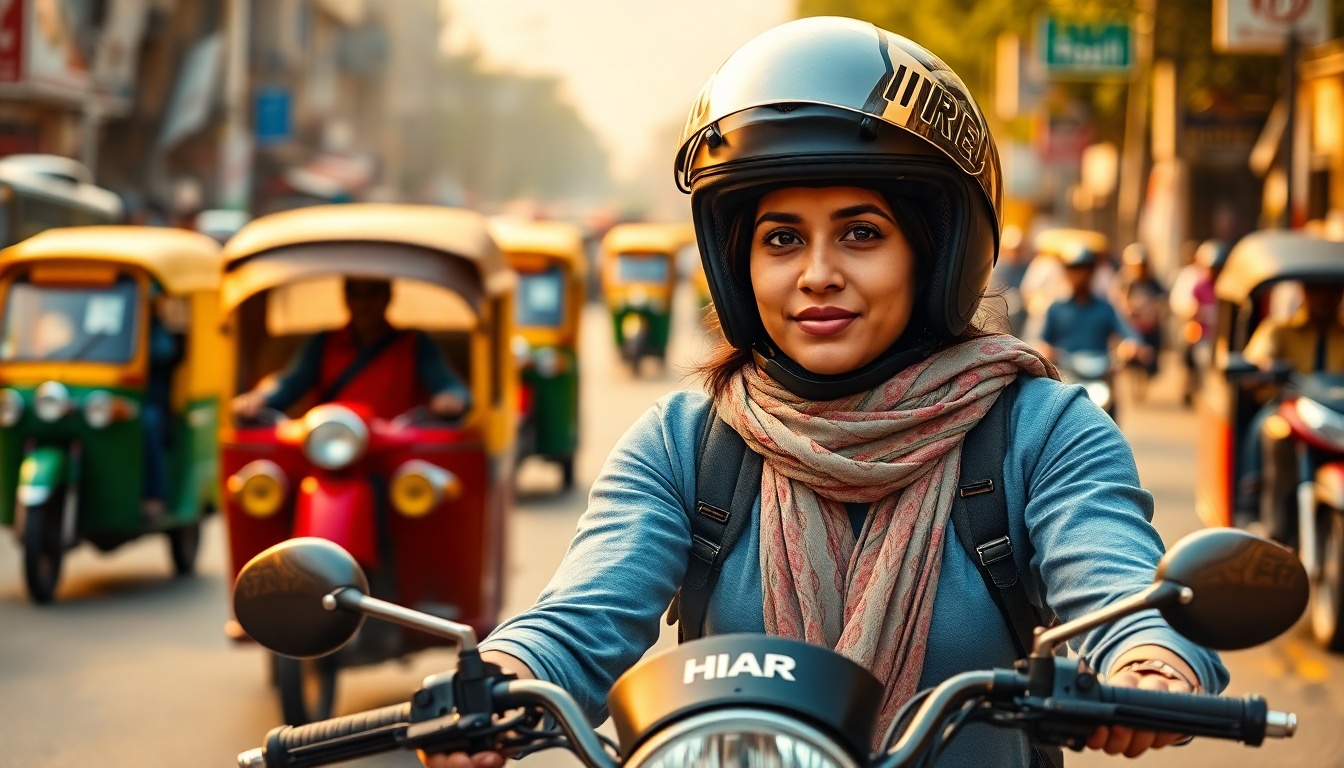
Quick Answer
Pro level braking on Bangalore trails means using a 70-30 front-to-rear bias while trail braking into corners at speeds below 40 km/h. The real skill is feathering the front brake lever with two fingers while keeping the throttle cracked open — something most riders never practice until they absolutely need it.
I remember watching a rider on Nandi Hills last month. He was on a brand new 400cc bike, going into a tight left-hander near the top. He grabbed a handful of front brake, the front end tucked, and he went down before he even knew what happened.
That is exactly the kind of crash that happens when you don’t understand pro level braking trail pro Bangalore. The roads here demand a completely different approach than what you see in European riding videos. The gravel, the sudden sand patches, the unpredictable autorickshaw — they all change the game.
Here is the thing about braking on Indian trails. You cannot just squeeze and pray. You need to feel the front tire, read the surface, and modulate pressure in real time. That is what separates riders who finish the ride from those who end up in the hospital.
Why Most Riders Get pro level braking trail pro Bangalore Wrong
The biggest mistake I see every single week is riders using only the rear brake on loose surfaces. They think the rear is safer because it won’t flip them over the handlebars. That logic makes sense on paper. On actual Bangalore trails, it gets you killed.
When you jab the rear brake on gravel or wet mud, the rear wheel locks instantly. The bike starts sliding sideways. Your natural reaction is to let off the brake completely, which causes the rear to grip again suddenly, and that snap sends you into a highside. I have seen this mistake cause accidents dozens of times on roads near Bannerghatta and the outskirts of Tumkur Road.
Another common error is trail braking with the clutch pulled in. Your brain tells you that disengaging the engine makes braking simpler. But on a trail, that removes the stabilizing effect of engine braking. The rear wheel becomes unpredictable. The bike starts to weave under braking.
The real risk is not the braking itself. It is the sudden change in surface. You might be braking perfectly on tarmac, then hit a patch of loose sand mid-corner. If you have no feel for the front tire, you will panic and squeeze harder. That is when the front washes out.
I had a student named Rohan who came to us after crashing three times in six months. He was a confident rider, did weekend trips to Chikmagalur, thought he had braking figured out. On the first day of our trail braking module, I took him to a gravel patch near the Bangalore-Mysore highway.
He went in at 50 km/h, grabbed the front brake, and the bike instantly went into a slide. He panicked, grabbed more brake, and we had to catch the bike before it went down. After three hours of drills, he learned to feather the front with two fingers while keeping his throttle hand steady. He told me later that single session saved him from a fourth crash.
What Actually Works on Indian Roads
Let me break down the technique that works on real Bangalore trails. This is not theory. This is what we teach every rider who walks through our gates at Throttle Angels.
Start with your body position. Your elbows need to be bent and relaxed. If your arms are locked straight, every bump transfers directly into your steering, and you lose the ability to modulate brake pressure. Keep your upper body loose. Let the bike move underneath you.
Now the hands. You should cover the front brake lever with two fingers — your index and middle finger — at all times when approaching a corner. The other two fingers stay wrapped around the grip. This gives you fine control. You are not grabbing. You are squeezing progressively.
Here is the part most riders ignore. You need to keep the throttle cracked open slightly while trail braking. Even 2% throttle. Why? Because that keeps the suspension loaded and the rear tire planted. If you close the throttle completely, the weight transfers forward too aggressively, and the front tire loses grip on loose surfaces.
On Bangalore trails specifically, you also need to look further ahead than you think. The roads here have unpredictable patches — a sudden pothole, a pile of gravel from construction, a stray dog. If you are looking at the patch directly in front of your wheel, you will react too late. Your eyes should be scanning 4-5 seconds ahead, processing the surface, and adjusting your brake pressure before you even reach the hazard.
The last piece is practicing the release. Trail braking is not just about squeezing. It is about smoothly releasing the brake as you lean into the corner. If you release too fast, the front suspension unloads suddenly and you lose traction. If you release too slow, you stand the bike up and run wide. The sweet spot is a gradual, controlled release that matches your lean angle.
“Most riders think braking is about stopping. It is not. It is about controlling your entry speed so you can carry momentum through the corner. On Indian trails, the rider who brakes later but smoother is always faster and safer than the rider who brakes early and hard.”
— Throttle Angels Instructor Team
Beginner vs Trained Rider Comparison
| Aspect | What Beginners Do | What Trained Riders Do |
|---|---|---|
| Brake fingers used | Four fingers, full grip | Two fingers, precise modulation |
| Throttle during braking | Closed completely | Cracked open 2-5% |
| Body position | Arms locked, tense shoulders | Elbows bent, relaxed upper body |
| Eye focus | Staring at the patch in front | Scanning 4-5 seconds ahead |
| Brake release | Snap release, sudden weight transfer | Gradual release matching lean angle |
Adapting to Indian Road Conditions
Book Your Trial Session Today!
Ready to master the roads of Bangalore or Pune? Join India’s premier motorcycle driving school.
Training Available in Bangalore & Pune
Book Your Trial Session Today!
Ready to master the roads of Bangalore or Pune? Join India’s premier motorcycle driving school.
Training Available in Bangalore & Pune
Bangalore trails are unique because of the soil composition. The red laterite soil turns into a slick, clay-like surface when wet. It is not like European gravel or American dirt. It has zero drainage. Water sits on top, and the surface becomes as slippery as ice. Your braking points need to shift back by at least 30% in the monsoon.
Then there is the traffic factor. Unlike closed-course trail riding abroad, our trails often merge with village roads. You could be practicing trail braking into a corner and suddenly face an oncoming bus, a herd of goats, or a kid on a bicycle. Your brain needs to process all of that while keeping the bike stable under braking.
The solution is to build muscle memory through repetition. You cannot think your way through a panic brake situation. Your hands need to know exactly how much pressure to apply on different surfaces. That is why we spend hours on controlled drills at Throttle Angels — braking on gravel, on wet tarmac, on loose sand, on painted road markings that become death traps in the rain.
Frequently Asked Questions
Is trail braking safe for beginners in Bangalore traffic?
Yes, but only after proper training. Attempting trail braking without understanding weight transfer and front tire feel is dangerous. Start in empty parking lots with controlled drills before taking it to real roads.
What is the ideal speed for practicing pro level braking on trails?
Start at 20-25 km/h on loose surfaces. Once you can consistently modulate the front brake without locking, increase to 35-40 km/h. Never practice trail braking above 45 km/h on Indian trails until you have mastered it in controlled environments.
Which bikes are best for learning trail braking in Bangalore?
Lightweight bikes under 180 kg with good front brake feel work best. The Honda CB350, Royal Enfield Hunter 350, and KTM 250 Adventure are excellent choices. Heavy tourers like the Interceptor 650 require more skill due to their weight transfer characteristics.
How do I avoid locking the front brake on gravel?
Use progressive pressure — squeeze the lever gently at first, then increase smoothly. If you feel the front start to slide, do not release completely. Hold steady pressure and let the tire find grip again. Sudden release causes the worst crashes.
How much does Throttle Angels training cost?
Our courses start at competitive rates with flexible packages. Call Rajkumar at 9535350575 or Arun at 8169080740 for current pricing and batch schedules in Bangalore and Pune.
Look, trail braking is not a party trick. It is a survival skill on Indian roads. The difference between a rider who goes down on a patch of gravel and one who glides through is exactly 2 millimeters of brake lever travel and the confidence to use it.
Come ride with us at Throttle Angels. We will put you through drills that feel uncomfortable at first. But I promise you, the first time you trail brake through a loose corner without panic, you will understand why this skill separates casual riders from pro level riders. Your bike can do more than you think. You just need to learn how to ask it properly.
Book Your Trial Session Today!
Ready to master the roads of Bangalore or Pune? Join India’s premier motorcycle driving school.
Training Available in Bangalore & Pune