Quick Answer
Yes, you can start your riding journey on a Royal Enfield, but you must respect its weight and power. The first 500 kilometers are critical—spend them in empty parking lots and quiet streets mastering slow-speed control. A proper 15-hour training course can cut your risk of a drop or crash by over 70% in those first crucial months.
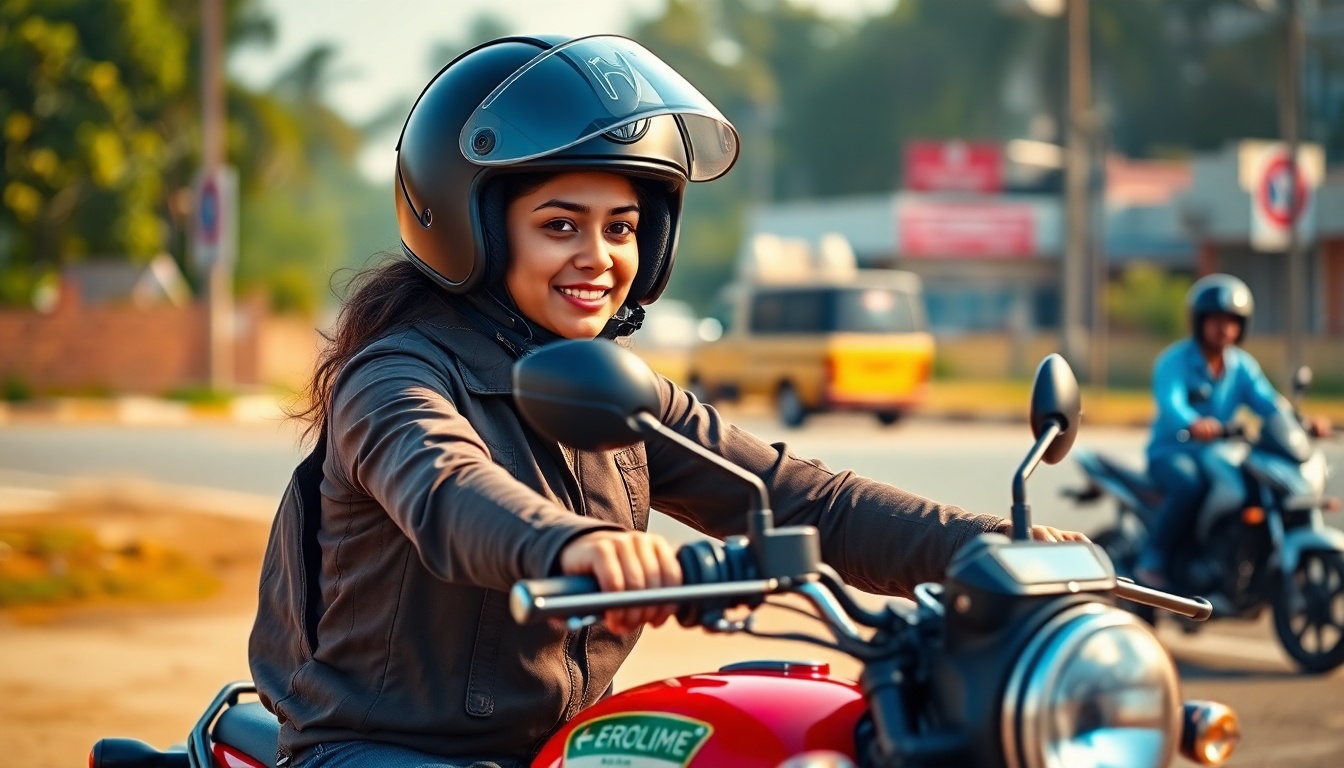
I see it every weekend at our Bangalore track. A new rider, beaming with pride next to their shiny new Royal Enfield. The smile is genuine. The excitement is real. But then they swing a leg over, and I see it—that tiny moment of surprise as the bike settles under them.
It’s heavier than they imagined. The seat is taller. The engine has a deep, serious thump. This moment is where your journey as a bike riding beginner Royal Enfield owner truly begins. It’s not about the dream of open highways just yet. It’s about the physics of 200 kilograms of metal between your legs.
Look, choosing an Enfield as your first bike is a powerful statement. You’re buying into a legacy. But on Indian roads, legacy doesn’t stop a pothole from grabbing your front wheel. Your first job is to turn that iconic machine from a intimidating object into a natural extension of your body.
Why Most Riders Get bike riding beginner Royal Enfield Wrong
Here is what most new riders get wrong about starting on a Royal Enfield. They think the challenge is the power. It’s not. A 350cc engine is manageable. The real risk is the weight combined with slow-speed uncertainty.
I have seen this mistake cause accidents dozens of times. A rider stops at a chaotic Bangalore intersection, slightly off-camber. They put a foot down, but the bike leans a bit more than they expected. Panic sets in. Instead of a gentle dab of the rear brake to stabilize, they freeze. That’s how a simple stop becomes a dropped bike and bruised confidence.
Another classic error is target fixation. You see a stray dog or a sudden crater on the road. You stare at it, gripped by fear. Your hands unconsciously steer the bike right toward the hazard. A Royal Enfield, with its longer wheelbase, demands you look where you want to go, not at the problem. Your body steers the bike, not just your arms.
Finally, there’s the brake mistake. New riders grab a handful of front brake in a surprise situation. On a heavy bike, this can lock the front or worse, transfer all that weight forward and make the rear end light. The real skill is progressive braking—squeezing, not snatching. It’s the difference between a controlled stop and a scary skid.
I remember a student, Rohan, who showed up with a brand new Classic 350. He’d ridden scooters all his life and thought it was the same, just bigger. His first exercise was a simple figure-eight in our confined space.
He kept stalling. Not from lack of throttle, but from fear of the clutch. He was letting it out too fast, jerking the bike, then panicking and grabbing the brake. We spent an hour just on clutch control—the friction zone. Feeling where the bike starts to move without any throttle. By the end, he was doing smooth, slow circles. His face changed. He learned that controlling a Bullet isn’t about muscle. It’s about finesse.
What Actually Works on Indian Roads
Let’s talk about what actually works. Your first battlefield is the parking lot. Not the highway. Spend your first few hours doing slow-speed maneuvers until your arms ache. Practice U-turns within two parking spaces. Practice stopping and putting one foot down smoothly.
Here is the thing about clutch control. It’s your best friend. A Royal Enfield engine has enough torque to crawl at walking speed with just the clutch, no throttle. Master this “friction zone.” It gives you supernatural control in bumper-to-bumper Pune traffic. You can maneuver without lurching or stalling.
Your body position is everything. Sit up straight. Look far ahead, not at your speedometer. When you turn, press the handlebar on the side you want to go. Want to go left? Press forward with your left hand. It’s called counter-steering, and it’s how every heavy bike changes direction above walking speed.
Braking is a two-step dance. Always cover the front brake lever with two fingers. In an emergency, squeeze progressively. Use the rear brake to stabilize the bike, especially at slow speeds or on slippery roads. Most of your stopping power is in the front, but the rear keeps the bike planted.
Scanning the road is non-negotiable. In India, you’re not just watching cars. You’re watching for potholes, sudden speed breakers, pedestrians, cows, and gravel patches. Your eyes should be constantly moving—far, mid, near, mirrors. This gives you time to plan, not just react.
Finally, gear up. I don’t care how hot it is in Bangalore. A helmet, a riding jacket, gloves, and boots are not optional. That first slide on tarmac happens fast. Denim and slippers evaporate in seconds. Protect the body that controls the bike.
A Royal Enfield forgives many mistakes, but it never forgets the laws of physics. Your respect for its weight is the first payment you make for the freedom it gives.
— Throttle Angels Instructor Team
Beginner vs Trained Rider Comparison
| Aspect | What Beginners Do | What Trained Riders Do |
|---|---|---|
| Slow Speed Control | Stiff arms, erratic throttle, frequent stalls or foot-dabs. | Use the clutch friction zone, slight rear brake, relaxed posture for tight turns. |
| Emergency Braking | Panic, grab front brake hard, risk lock-up or skid. | Progressively squeeze front, apply firm rear, keep bike upright and straight. |
| Road Hazard (Pothole) | Stare at hazard, tense up, ride straight into it. | Spot early, scan for escape path, shift weight slightly, steer around smoothly. |
| Highway Crosswinds | Fight the wind with arms, get blown off line, panic. | Lean bike slightly into wind, relax grip, let knees grip tank, maintain course. |
| Confidence Source | Comes from bike’s brand or engine sound. Fragile. | Comes from practiced skills and muscle memory. Durable. |
Adapting to Indian Road Conditions
Book Your Trial Session Today!
Ready to master the roads of Bangalore or Pune? Join India’s premier motorcycle driving school.
Training Available in Bangalore & Pune
Book Your Trial Session Today!
Ready to master the roads of Bangalore or Pune? Join India’s premier motorcycle driving school.
Training Available in Bangalore & Pune
Indian roads are a live curriculum. You need to adapt your Royal Enfield riding from day one. The monsoon is your biggest test. Those wide tires can hydroplane. Increase following distance to 4 seconds. Avoid painted road markings and manhole covers when wet—they’re like ice.
Speed breakers are often unmarked and vicious. Scan ahead for telltale signs—sudden brake lights, shadows across the road. Slow down before you hit them, don’t brake on them. Stand slightly on your footpegs to let your legs absorb the shock.
Highway truck drafts are a real thing. When overtaking a long vehicle, you’ll hit a wall of wind as you clear the nose. Be ready for it. Grip the tank with your knees, keep a firm but relaxed grip, and expect the push. Don’t make sudden corrections.
At night, assume you are invisible. Use your high beam to see, but dip it for oncoming traffic. Watch for animals at the roadside. Your Enfield’s single headlight is good, but your awareness is better. Ride at a speed where you can stop within the distance you can see.
Frequently Asked Questions
Is a Royal Enfield 350 too powerful for a complete beginner?
The power is manageable. The challenge is the weight and slow-speed handling. With focused training on clutch control and balance, a beginner can learn safely. Starting on a lighter bike is easier, but an Enfield is possible if you commit to the basics first.
What is the most important skill to learn first on a Royal Enfield?
Slow-speed clutch control. Mastering the friction zone—where the bike starts to move without throttle—gives you control in traffic, during U-turns, and when parking. This single skill prevents most drops and builds foundational confidence.
How long before I can take my new Enfield on a highway?
Not until you’ve mastered city traffic for at least 300-500 kilometers. Highways add speed, wind, and fatigue. You need instinctive control over braking, steering, and stability before you add those elements. Rushing to the highway is a common beginner mistake.
Should I install crash guards on my beginner Enfield?
Yes, absolutely. Engine guards or crash bars are a wise investment. They protect the engine and tank in a tip-over, which is very likely in the first few months. Think of them as training wheels for your bike’s safety, not a badge of shame.
How much does Throttle Angels training cost?
Our courses start at competitive rates with flexible packages. Call Rajkumar at 9535350575 or Arun at 8169080740 for current pricing and batch schedules in Bangalore and Pune.
Your Royal Enfield is waiting to give you stories for a lifetime. But every great story needs a solid first chapter. That chapter isn’t about the destination. It’s about the first time you navigate a crowded market street without a flutter of panic.
Build your skills like you’d build a house—with a deep, patient foundation. The open road isn’t going anywhere. And when you do finally point that classic chrome headlight toward the horizon, you’ll be ready. Not just as a rider, but as a guardian of your own journey.
Book Your Trial Session Today!
Ready to master the roads of Bangalore or Pune? Join India’s premier motorcycle driving school.
Training Available in Bangalore & Pune