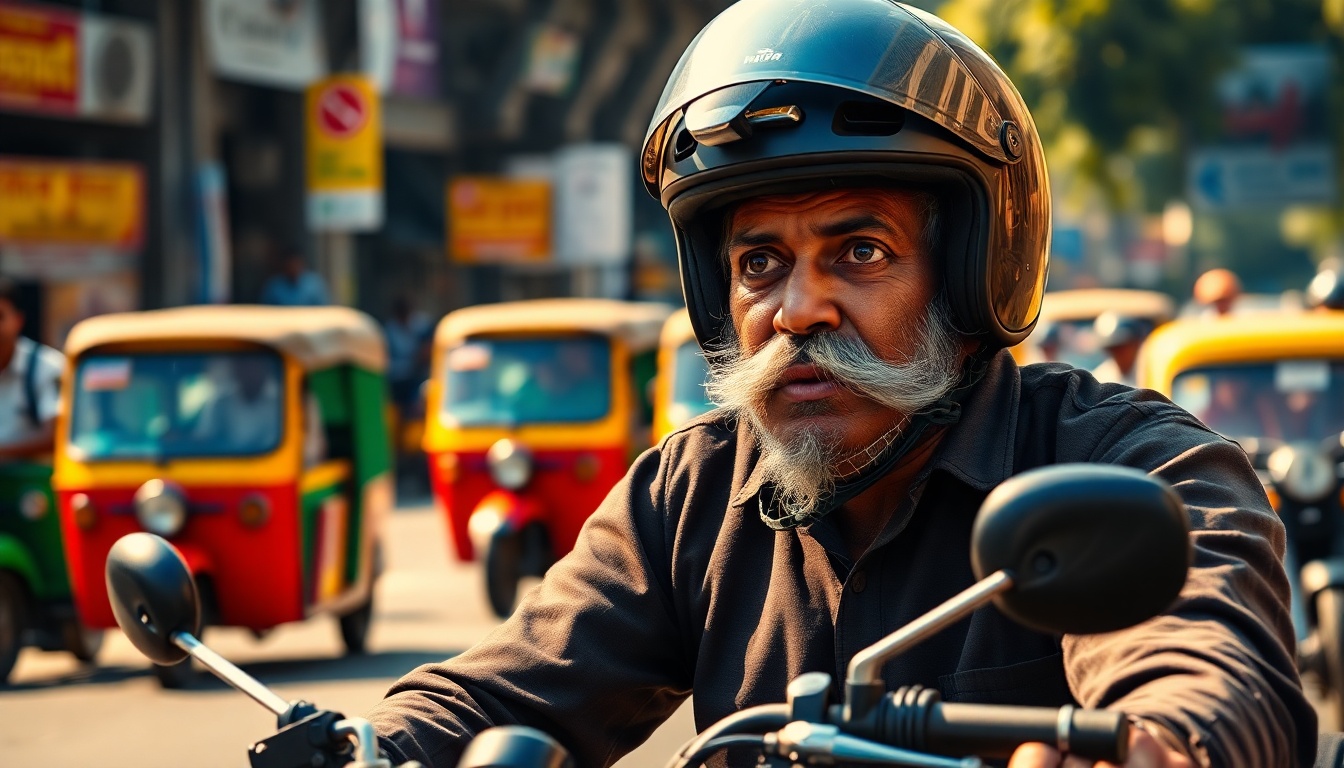
Quick Answer
Trail braking on a Royal Enfield in Bangalore traffic means keeping 10-15% front brake pressure while you lean into a turn, then smoothly releasing it as you add throttle. It lets you carry more corner speed and adjust your line mid-bend — critical for our unpredictable roads. This technique can reduce your stopping distance by up to 30% in a loaded corner.
I remember watching a rider on a new Classic 350 at the NICE Road junction near Banashankari. He grabbed a handful of front brake halfway through a left-hander, stood the bike up, and nearly drifted into the divider. That is the moment most riders panic. That is also the moment trail braking could have saved him.
Here is the thing about trail braking advanced Royal Enfield Bangalore. It is not some racetrack trick you see on YouTube. It is a survival skill for our streets. You learn it properly, and your riding changes forever.
I have trained over 4,000 riders at Throttle Angels. The ones who master this technique stop grabbing brakes in panic. They start flowing with the bike. And they stop crashing in corners that should be easy.
Why Most Riders Get trail braking advanced Royal Enfield Bangalore Wrong
The biggest mistake I see is thinking trail braking is about braking later. It is not. It is about braking smoother and carrying that control deeper into the corner. New riders hear “trail” and think they should drag the brake all the way to the apex. That is how you cook your pads and unsettle the front end.
On a Royal Enfield, the front suspension is soft. The bike weighs over 190 kilos. If you trail brake too aggressively, the fork dives hard. The steering gets heavy. You end up fighting the bike instead of riding it. I have seen this mistake cause accidents dozens of times in Bangalore traffic — especially on flyover ramps and tight u-turns.
Another common error is trailing the brake with the clutch pulled in. That removes all engine braking and leaves you coasting. On a Royal Enfield, engine braking is your friend. It stabilizes the chassis. Keep the throttle cracked open, even slightly, while you trail the front brake. That balance is what makes the technique work.
Here is the real risk: most riders never practice this in a straight line first. They try it for the first time in a real corner at 60 km/h. That is how you lowside. You need to build the muscle memory at slow speeds before you trust it on the road.
Last monsoon, a student came to us after dropping his Interceptor 650 three times in one month. Every single crash happened in a corner. He was braking before the turn, releasing completely, then coasting through the bend. When a pothole appeared mid-corner, he had no control left to adjust.
We spent one session on an empty parking lot near Electronic City. Just slow circles with light front brake. By the end of the day, he was trail braking into real corners on Bannerghatta Road without panic. He told me it felt like learning to ride all over again. That is the truth — it rewires your instincts.
What Actually Works on Indian Roads
Start in first gear. Find an empty stretch of road or a large parking lot. Ride in a big circle at 15-20 km/h. While leaning, gently squeeze the front brake lever — just enough to feel the front tire load up. Do not grab. Do not jab. Just a smooth, progressive squeeze.
The moment you feel the bike want to stand up, you have gone too far. Back off the brake slightly. The bike should settle back into the lean. That is the sweet spot. That is where trail braking lives.
On a Royal Enfield, the weight distribution changes everything. The bike is heavy at the front. When you trail brake, that weight shifts forward even more. The front tire gains grip. The rear gets lighter. This is exactly what you want — more front traction means you can steer harder and brake later.
But here is the catch. You must be smooth with the release. If you snap the brake off, the front suspension rebounds instantly. The bike stands up. You run wide. That is how you end up in oncoming traffic on a Bangalore flyover.
Release the brake as you start adding throttle. The two actions should overlap. Brake pressure goes down. Throttle opens up. The bike stays settled through the entire corner. This is what trained riders call “trailing off” — and it is the hardest part to learn.
Practice this on familiar roads first. Pick a corner you ride every day. Approach it at a speed where you normally brake hard. Instead, brake earlier but lighter. Carry that light brake pressure into the turn. Feel the difference. Your corner entry will feel slower at first. That is fine. Speed comes later, after control.
“Most riders think trail braking is about going faster. It is not. It is about having a plan B in every corner. When a dog runs out or a bus cuts you off, that light front brake pressure is the difference between a close call and a crash.”
— Throttle Angels Instructor Team
Beginner vs Trained Rider Comparison
| Aspect | What Beginners Do | What Trained Riders Do |
|---|---|---|
| Brake timing | Brake hard before the turn, release completely | Brake early but light, carry pressure into the corner |
| Corner entry speed | Enter slow, accelerate late | Enter with moderate speed, adjust mid-corner |
| Line correction | Cannot adjust mid-turn, run wide | Tighten or widen line with brake pressure |
| Panic response | Grab brake, stand bike up | Smoothly increase brake pressure, lean harder |
| Crash rate in corners | High — especially in wet conditions | Low — even on unfamiliar roads |
Adapting to Indian Road Conditions
Book Your Trial Session Today!
Ready to master the roads of Bangalore or Pune? Join India’s premier motorcycle driving school.
Training Available in Bangalore & Pune
Book Your Trial Session Today!
Ready to master the roads of Bangalore or Pune? Join India’s premier motorcycle driving school.
Training Available in Bangalore & Pune
Bangalore roads are not racetracks. You have gravel patches, painted lines that turn into ice when wet, and auto-rickshaws that appear from blind spots. Trail braking in these conditions requires a lighter touch. Use less brake pressure — maybe 5-8% instead of 10-15%. The goal is not maximum deceleration. It is maintaining control and having a way out.
Monsoon riding changes everything. Wet tarmac reduces front tire grip by at least 40%. On a Royal Enfield, that heavy front end can wash out if you trail brake too hard. In the rain, focus on trailing the brake even earlier and releasing even smoother. Let the engine braking do most of the work.
On highways like the NICE Road or the Bangalore-Mysore expressway, you have high-speed sweepers. These are perfect for practicing trail braking at 80-100 km/h. But start slow. A mistake at that speed on a heavy bike can end badly. Build up from 40 km/h first, then 60, then 80. Give yourself months, not days, to master this.
The real secret for Indian roads is anticipation. Trail braking is not a reactive skill. It is proactive. You set up the corner before you enter it. You decide where you will start braking, how much pressure you will carry, and when you will release. That mental preparation is what separates riders who survive Bangalore traffic from those who don’t.
Frequently Asked Questions
Will trail braking damage my Royal Enfield’s front brakes?
No, if done correctly. You are using light, progressive pressure — not hard braking. It actually helps the pads and rotors wear evenly. The bigger risk is overheating your brakes if you drag them too hard for too long. Keep pressure light and release before the apex.
Can I trail brake with the rear brake on a Royal Enfield?
Yes, but it is less effective. The rear brake helps settle the bike in slow-speed turns and tight u-turns. For high-speed corners, the front brake gives you most of the stopping power and steering control. Use rear brake for stability at low speeds, front brake for real trail braking.
How long does it take to learn trail braking properly?
Most riders need 8-10 hours of dedicated practice over 2-3 weeks to feel comfortable. At Throttle Angels, we see students get the basics in one full-day session. But true mastery — where it becomes automatic — takes about 3-6 months of regular riding and conscious practice.
Is trail braking safe for beginners on a Royal Enfield?
Not if you jump straight into it. Beginners should first master straight-line braking and basic cornering technique. Once you can brake smoothly in a straight line without locking the wheel, then start practicing trail braking at slow speeds. Rushing this skill is how crashes happen.
How much does Throttle Angels training cost?
Our courses start at competitive rates with flexible packages. Call Rajkumar at 9535350575 or Arun at 8169080740 for current pricing and batch schedules in Bangalore and Pune.
Trail braking is not a magic trick. It is a technique that takes time, patience, and honest practice. But once it clicks, you will wonder how you ever rode without it. Every corner becomes safer. Every ride feels more controlled.
Start slow. Be patient with yourself. And if you ever feel stuck, come ride with us at Throttle Angels. We will show you exactly where your technique needs work — on real Bangalore roads, with real traffic, on your own Royal Enfield. That is the only way to truly learn.
Book Your Trial Session Today!
Ready to master the roads of Bangalore or Pune? Join India’s premier motorcycle driving school.
Training Available in Bangalore & Pune